Title: “The Inner Light: A Journey of Faith and Realization in Luke 1”
Section 1: Introduction to the Divine Journey
This section introduces the journey of faith and the quest for spiritual understanding. It sets the stage for the unfolding narrative of divine realization and the interconnectedness of all beings, emphasizing the power of love, hope, and transformation in our lives.
Section 2: The Promise of New Beginnings
Zacharias and Elisabeth’s experience symbolizes the universal hope for new beginnings and the miraculous potential within us all. Their story is a metaphor for the birth of new consciousness and the realization of our inner divinity, even in seemingly impossible circumstances.
Section 3: The Silent Awakening
Zacharias’ inability to speak represents the silent awakening within us as we begin to understand the deeper spiritual truths. This silence signifies a period of inner reflection and growth, leading to a more profound understanding of our spiritual journey.
Section 4: The Annunciation: A Call to Inner Awakening
Mary’s encounter with the angel symbolizes the call to awaken our inner potential and realize our divine nature. This story illustrates the transformative power of acceptance and the realization that we are all part of a greater divine plan.
Section 5: The Joy of Spiritual Connection
Elisabeth and Mary’s meeting represents the joy and affirmation that comes from spiritual connection and shared understanding. Their interaction symbolizes the unification of individual journeys towards a collective realization of divine love and compassion.
Section 6: The Magnificat: A Song of Inner Transformation
Mary’s song, the Magnificat, is a celebration of the transformative power of love and hope. It reflects the journey from humility to empowerment, recognizing the divine presence within and the universal nature of spiritual transformation.
Section 7: The Birth of John: A Beacon of Light
The birth of John signifies the arrival of new consciousness and the beginning of a journey towards enlightenment. His arrival symbolizes the potential within each of us to be a beacon of light and guidance in our collective spiritual journey.
Section 8: The Benedictus: A Prophetic Vision of Unity
Zacharias’ prophecy, the Benedictus, speaks to the universal desire for salvation and peace. It is a vision of a world united in love and understanding, where all beings recognize their interconnectedness and the divine spark within.
Section 9: The Path of Growth and Realization
The closing section reflects on the growth and spiritual strengthening of John, symbolizing our own journey towards spiritual maturity and understanding. It emphasizes the continuous process of learning, growing, and realizing our divine nature.
“The Inner Light: A Journey of Faith and Realization in Luke 1” reinterprets the first chapter of Luke as a symbolic narrative of spiritual awakening and the realization of our interconnectedness with the divine. It emphasizes themes of love, hope, transformation, and the universal journey towards enlightenment, inviting us to open our hearts to the infinite possibilities of spiritual growth and unity.
Title: “The Light Within: A Contemporary Interpretation of Luke 2”
Introduction: Unveiling the Inner Journey
This narrative reinterprets Luke 2, focusing on the inner spiritual journey and the universal themes of love, hope, and transformation. It presents a story that resonates with the timeless truths found in every heart.
1. The Journey Begins: Joseph and Mary’s Path to Bethlehem
In compliance with a decree, Joseph and Mary journey to Bethlehem. This journey symbolizes the path each individual takes towards self-discovery and fulfillment. Their journey reflects our own travels through life’s challenges and the hope that guides us.
2. The Birth of Hope: A Symbol of Inner Awakening
The birth of Jesus in humble surroundings signifies the awakening of divine consciousness within the simplicity of our own lives. It represents the light of hope and love that can emerge in even the most modest of circumstances.
3. The Heavenly Announcement: Shepherds and Angels
The shepherds’ encounter with angels symbolizes the moments of clarity and enlightenment that visit us unexpectedly. This scene teaches us about the joy of spiritual realization and the sharing of good news with others.
4. A Name with a Promise: The Naming of Jesus
The naming of Jesus, as instructed by the angel, signifies the recognition and acceptance of our true identity. It highlights the importance of embracing our inner divinity and living our lives in alignment with it.
5. Simeon and Anna: Witnesses to the Light
Simeon and Anna, upon witnessing Jesus, symbolize the wisdom that comes with age and experience. Their recognition of Jesus’ significance represents our ability to see the divine in each other and in ourselves.
6. Jesus’ Early Wisdom: In the Temple at Twelve
Jesus’ interaction with the elders in the temple illustrates the innate wisdom present within each individual. This story encourages us to nurture our inner wisdom and to engage in deep, meaningful dialogues about our spiritual journeys.
7. The Growth of the Divine Child: Jesus’ Development
As Jesus grows in wisdom and stature, we’re reminded of our own growth and the continuous grace that surrounds us. This growth signifies the ongoing process of learning, understanding, and becoming more aligned with the divine love within us.
Conclusion: Embracing the Journey Within
This reinterpretation of Luke 2 invites us to recognize and celebrate the divine spark within ourselves and in each other. It’s a story of love, hope, and transformation, encouraging us to embark on our own inner journey towards enlightenment and to spread the message of love and compassion in our world.
Title: “Awakening Within: A Modern Interpretation of Luke 3”
Introduction: The Journey to Self-Realization
This reinterpretation of Luke 3 focuses on the inner journey of self-discovery, emphasizing the presence of the divine within each individual and the interconnectedness of all life.
1. The Call of Awakening: John’s Message
John represents the inner voice calling us to awaken to our higher selves. His message of repentance symbolizes letting go of old patterns and embracing a journey of transformation and self-discovery. His presence in the wilderness reflects the solitude and introspection necessary for personal growth.
2. The Ritual of Renewal: The Symbolism of Baptism
Baptism in the Jordan River represents cleansing and renewal. It’s a metaphor for shedding past limitations and embracing a new consciousness filled with love, compassion, and unity. This act symbolizes the internal process of purification and commitment to a life of higher purpose.
3. Unity and Compassion: Ethical Living
John’s teachings about sharing and ethical living emphasize the interconnectedness of all beings. His guidance on fairness and compassion mirrors the principles of living in harmony with others, respecting their journeys, and contributing to the collective well-being.
4. The Inner Christ: Jesus’ Baptism
Jesus’ baptism and the descent of the Holy Spirit signify the awakening of divine consciousness within. It’s a powerful reminder that within each person lies a sacred essence, capable of extraordinary love and wisdom. This moment symbolizes the realization of our divine potential.
5. The Ancestry of Humanity: Universal Connection
The genealogy of Jesus highlights the interconnectedness of all humanity, transcending time and place. It serves as a reminder that everyone is part of a greater whole, connected through the shared journey of life and spiritual evolution.
Conclusion: Embracing the Divine Within
This modern interpretation of Luke 3 invites us to recognize the divine spark within ourselves and in each other. It’s a story of awakening, transformation, and the universal journey towards enlightenment. It encourages us to embrace love, hope, and the interconnectedness of all life, guiding us towards a deeper understanding and harmony with the world around us.
Title: “Inner Light: A Journey Through Luke 4”
Introduction: Embracing Inner Wisdom and Strength
This reimagined version of Luke 4 focuses on the power of inner wisdom, self-awareness, and the transformative journey within. It’s a story about finding strength and guidance in one’s own spirit and the interconnected energy of the universe.
1. The Wilderness of Self-Discovery: Jesus’ Inner Conflict
Jesus’ time in the wilderness symbolizes a period of introspection and confrontation with inner fears and doubts. The devil represents internal challenges and temptations that one must overcome to realize their true potential. Jesus’ resistance illustrates the power of self-control and mindfulness.
2. The Essence of Nourishment: Beyond Physical Needs
Jesus’ refusal to turn stone into bread underscores the idea that true fulfillment comes not from external sources but from within. It highlights the importance of spiritual nourishment and the wisdom that sustains one’s soul.
3. The Illusion of External Power: Rejecting Ego
The temptation of worldly power represents the allure of ego and external validation. Jesus’ rejection of this temptation is a call to seek inner strength and to understand that true power lies in humility and connection with the divine essence within.
4. The Leap of Faith: Trusting the Inner Voice
The pinnacle of the temple symbolizes a crossroads of faith and doubt. Jesus’ refusal to test God symbolizes the trust in the unseen force that guides us, emphasizing the importance of inner conviction and the journey of spiritual awakening.
5. The Message of Unity and Love: Jesus’ Teachings
Jesus’ teachings in the synagogue reflect the universal message of love, compassion, and unity. His words challenge societal norms and invite listeners to look beyond superficial differences, recognizing the divine spark within each individual.
6. Healing and Transformation: Miracles as Metaphors
The healing miracles symbolize the transformative power of love and compassion. They represent the potential to overcome physical and emotional wounds through the power of positive energy and the belief in one’s inner strength.
7. The Universal Quest: Spreading the Message of Inner Peace
Jesus’ journey to other cities to preach represents the universal quest for enlightenment and self-realization. It’s an invitation to spread the message of inner peace, love, and the interconnectedness of all beings.
Conclusion: The Path to Enlightenment
This modern interpretation of Luke 4 is a guide to finding enlightenment within. It’s a reminder that the journey to understanding and peace begins within oneself, through embracing love, hope, and the realization that we are all part of a greater, interconnected whole. It’s a call to awaken the divine within and to live a life of compassion and unity.
Title: “Inner Harmony: A Modern Interpretation of Luke 5”
Introduction: Embracing Inner Change and Growth
This reimagined narrative of Luke 5 presents the journey of inner transformation, emphasizing the power of self-awareness, empathy, and interconnectedness with the world.
1. The Lake of Self-Reflection: Finding Abundance Within
At the lake, Jesus teaches about looking beyond apparent scarcity in life. Simon’s trust in Jesus symbolizes our need to trust our inner guidance, especially when external circumstances seem challenging. The miraculous catch of fish represents the abundance and opportunities that arise when we align with our true selves and the universe.
2. The Healing Touch: Embracing Wholeness and Compassion
Jesus healing the man with leprosy signifies the power of empathy and acceptance in healing. It reminds us that each of us has the ability to heal ourselves and others, not just physically, but emotionally and spiritually, through love and compassion.
3. The Serenity of Solitude: Importance of Inner Peace
Jesus withdrawing into the wilderness highlights the necessity of finding solitude for self-reflection and connection with the inner self. It’s a call to periodically detach from external noise and to find peace and clarity within.
4. The Collective Healing: Unity in Diversity
The story of healing the paralyzed man shows the collective effort in healing. It teaches the value of community support and the strength found in unity. It also addresses the inner barriers and judgments that can hinder our path to enlightenment.
5. The Invitation to Transformation: Levi’s New Beginning
Levi’s call to follow Jesus symbolizes the invitation to each of us to embark on a journey of transformation. It encourages leaving behind old patterns and embracing a new path aligned with our true selves.
6. The Feast of Acceptance: Embracing All of Life
The feast at Levi’s house represents the celebration of life in all its diversity. It teaches the importance of acceptance and non-judgment in our journey towards understanding and enlightenment.
7. The Parables of Renewal: Embracing Change and Growth
The parables of the new garment and the new wine in old bottles symbolize the need for inner renewal and the readiness to embrace new perspectives and ideas. It’s a reminder that growth requires letting go of the old to make way for the new.
Conclusion: The Path of Inner Harmony
This modern interpretation of Luke 5 serves as a guide for inner harmony and transformation. It underscores the importance of self-awareness, compassion, and the recognition of our interconnectedness with the universe. It’s a message of hope, love, and the potential to find enlightenment through the power of inner change and growth.
Title: “Heartfelt Harmony: A Contemporary Interpretation of Luke 6”
Introduction: Embracing Love and Understanding in Our Journey
This interpretation of Luke 6 reimagines the teachings of Jesus in the light of modern psychological and spiritual understandings, focusing on inner growth, empathy, and the interconnectedness of all beings.
1. The Sabbath Insights: Beyond Rules to Essence
Jesus’ actions on the Sabbath symbolize moving beyond rigid adherence to external rules towards understanding the deeper essence of spiritual practices. It’s a call to recognize the spirit of love and kindness that underlies true spiritual observance.
2. Healing and Openness: The Power of Acceptance
The healing of the man with the withered hand represents the transformative power of acceptance and openness. It teaches us to look beyond physical appearances and societal judgments to acknowledge the inherent worth and potential in everyone.
3. The Selection of the Twelve: Unity in Diversity
Jesus choosing his twelve apostles reflects the value of bringing together diverse perspectives for a common purpose. It highlights the importance of collaboration and unity in our collective journey towards enlightenment and understanding.
4. The Sermon of the Heart: A Call to Authentic Living
The sermon is a profound call to live authentically and compassionately. It emphasizes the principles of love, empathy, and non-judgment, encouraging us to practice these virtues in our daily lives for personal and collective growth.
5. Loving Beyond Boundaries: The Essence of True Love
The command to love our enemies and do good without expecting anything in return teaches the practice of unconditional love. It’s a reminder that love in its purest form transcends personal gains and societal boundaries.
6. The Paradox of Judgment: Embracing Self-Reflection
The teaching about not judging others invites us to introspect and recognize our own imperfections. It’s a call to practice self-awareness and humility, understanding that true wisdom lies in recognizing and working on our own shortcomings first.
7. The Metaphor of Foundations: Building a Life on Inner Strength
The parable of building a house on rock versus sand symbolizes the importance of developing a strong inner foundation. It’s a metaphor for building our lives on the principles of love, compassion, and inner wisdom, which provide stability and resilience in the face of life’s challenges.
Conclusion: The Path of Heartfelt Harmony
This modern interpretation of Luke 6 serves as a guide for living a life of heartfelt harmony. It emphasizes the importance of empathy, self-reflection, and the practice of unconditional love in our journey towards enlightenment and deeper connection with the world. It’s a message of hope, love, and the potential for transformation through the power of inner change and understanding.
Title: “The Path of Compassion: A Modern Interpretation of Luke 7”
1. The Universal Bond of Healing: Recognizing Our Inner Connection
The centurion’s faith in Jesus for healing his servant signifies our interconnectedness and the power of belief. This story teaches us about the universal bond that connects us all, transcending boundaries and recognizing the divine within each person.
2. The Compassionate Response: Embracing Empathy in Suffering
The narrative of the widow of Nain and her son highlights the depth of empathy and compassion. It’s a call to recognize and respond to the suffering of others, not just with sympathy, but with meaningful actions that bring about change and healing.
3. The Seeker’s Inquiry: Embracing Doubt as a Path to Understanding
John the Baptist’s questioning of Jesus symbolizes the journey of the spiritual seeker, who navigates through doubt and uncertainty towards deeper understanding. It shows that questioning and seeking are essential parts of our spiritual journey.
4. The Welcoming of All: Breaking Down Barriers of Judgment
Jesus’ interactions with the Pharisees and the people demonstrate the importance of breaking down barriers of judgment and exclusion. It teaches us to embrace all individuals, recognizing the inherent worth and potential within each person.
5. The Parable of Forgiveness: Understanding the Depth of Love and Forgiveness
The parable of the creditor and the two debtors illustrates the profound nature of forgiveness and love. It invites us to understand that true forgiveness comes from a place of deep love and empathy, and it has the power to transform lives.
6. The Act of Kindness: Recognizing the Sincerity in Others
The act of the woman who anoints Jesus’ feet with her tears and ointment is a powerful symbol of sincere love and repentance. It challenges us to look beyond societal labels and recognize the sincerity and goodness in the hearts of others.
7. The Embrace of Peace: The Power of Faith and Acceptance
Jesus’ final words to the woman, “Thy faith hath saved thee; go in peace,” emphasize the transformative power of faith and acceptance. It’s a reminder that inner peace and salvation are achieved through faith, love, and the acceptance of oneself and others.
Conclusion: Embracing Our Collective Journey with Compassion
This modern interpretation of Luke 7 calls us to walk the path of compassion, empathy, and understanding. It highlights the importance of seeing the divine in every individual, embracing our interconnectedness, and fostering a world where love and forgiveness are the foundations of our interactions and growth. It’s a message of universal love and the potential for transformation through the power of inner change and compassionate living.
Title: “Journey of Inner Transformation: A Contemporary Reading of Luke 8”
1. The Journey Begins: Embracing All Walks of Life
This section symbolizes the embrace of diverse life experiences, showing that healing and transformation are accessible to everyone, regardless of their past. It emphasizes the concept that everyone is connected and can find solace and growth in the teachings of love and compassion.
2. The Parable of the Sower: Understanding Our Inner Landscape
The sower’s parable teaches about the different states of human consciousness. It’s a metaphor for how we receive and nurture wisdom in our lives. The various types of soil represent different attitudes and openness of individuals to embracing life’s deeper truths.
3. Lighting the Inner Flame: The Power of Awareness
This part symbolizes the awakening of inner awareness. It’s about illuminating the soul with wisdom and not hiding one’s inner light but sharing it to guide others. This is a call to live a life of transparency, where our inner truths align with our external actions.
4. Navigating Life’s Storms: Finding Peace Amid Chaos
The storm on the lake is a metaphor for life’s challenges. It teaches that within us lies the power to find calmness and peace even in the most turbulent times, emphasizing faith and inner strength.
5. Healing of the Demon-Possessed Man: Embracing Our Shadows
This story represents confronting and overcoming our inner demons or shadows. It’s about recognizing and healing the fragmented parts of our psyche, leading to wholeness and balance in our lives.
6. The Daughter of Jairus and the Bleeding Woman: Faith as a Healing Force
These stories illustrate the transformative power of faith and belief in oneself. They represent the journey from despair to hope and the miraculous changes that can occur when we truly believe in the potential for healing and renewal.
7. The Role of Faith and Inner Transformation
These narratives emphasize that true change and miracles happen when we align ourselves with the divine essence within us. They teach that faith is not just an external expression but an internal state of being that can bring about profound changes in our lives.
Conclusion: The Path to Enlightenment Through Love and Faith
In summary, Luke 8 in this interpretation becomes a guide for personal growth and spiritual enlightenment. It’s a reminder that we all hold the power within us to overcome challenges, heal our wounds, and transform our lives through love, compassion, and faith. The chapter encourages us to connect with the divine essence within us and others, fostering a life of harmony, understanding, and profound transformation.
Title: “The Path of Enlightened Living: A Modern Interpretation of Luke 9”
1. The Empowerment of the Inner Self
In this section, we focus on recognizing and harnessing the inner power that each individual possesses. The disciples being given the power to heal symbolizes our ability to overcome internal struggles and help others in their journey towards wholeness and fulfillment.
2. The Miracle of Sharing and Abundance
The feeding of the five thousand teaches the power of generosity and the abundance that flows from sharing even our most meager resources. It’s a metaphor for the limitless potential that lies within us when we operate from a place of love and compassion.
3. Recognizing the Divine Within
The disciples’ struggle to understand Jesus’s identity reflects our own journey to recognize the divine essence within ourselves and others. This section emphasizes the importance of self-realization and understanding our true nature as interconnected beings.
4. Embracing Life’s Journey with Faith
The concept of taking up one’s cross is about embracing life’s challenges as opportunities for growth. It teaches us to face difficulties with courage and faith, understanding that true growth often comes through overcoming adversity.
5. The Transfiguration: Revealing Our True Nature
This mystical event symbolizes the unveiling of our highest potential and true nature. It’s an invitation to transcend ordinary perception and embrace a higher level of consciousness and understanding.
6. Healing as a Reflection of Inner Harmony
The healing miracles represent the restoration of balance and harmony within. It emphasizes that true healing comes from aligning our mind, body, and spirit, and recognizing our inherent ability to overcome inner turmoil.
7. The Path of Humility and Service
In this section, the message is about embracing humility and service as pathways to true greatness. It teaches that in serving others selflessly, we discover our own greatness and the interconnectedness of all life.
8. Embracing the Spiritual Path
The challenges faced by the disciples in understanding and following Jesus’s teachings mirror our own journey on the spiritual path. This section encourages us to persevere in our quest for enlightenment, despite the challenges and misunderstandings we may encounter.
9. The Call to Awakened Living
This final section is a call to live in the present, with a focus on spiritual awakening and the pursuit of a higher purpose. It teaches that the journey to enlightenment requires dedication, mindfulness, and a willingness to let go of the past and embrace the present moment.
Conclusion: A Life of Love, Hope, and Transformation
In essence, Luke 9 in this interpretation becomes a guide for living a life of spiritual awakening, emphasizing love, compassion, and interconnectedness. It invites us to recognize the divine within ourselves and others, and to live a life that reflects our deepest truths and highest potential.
Title: “The Journey Within: A Contemporary Exploration of Luke 10”
1. The Journey of the Enlightened: Sending Out the Seventy
This section symbolizes our individual journeys to spread love, wisdom, and healing. It emphasizes the importance of inner transformation and sharing that growth with the world. It also reminds us of the power of unity and collaboration in our spiritual journeys.
2. The Joy of Spiritual Success
The joy of the seventy upon their return represents the fulfillment we find in self-realization and helping others. It’s a reminder that our true power lies in our spiritual growth and in understanding the interconnectedness of all beings.
3. Gratitude for Universal Wisdom
Here, we focus on the importance of gratitude and the recognition that true wisdom often comes from unexpected sources and experiences. It’s a call to remain open to the lessons life offers, understanding that they are part of our path to enlightenment.
4. The Parable of the Good Samaritan: Embodying Compassion and Unity
This parable is a powerful reminder of our interconnectedness and the need to show compassion to all beings, transcending social, cultural, or religious boundaries. It teaches us about the boundless nature of love and the importance of empathy in our journey.
5. The Lesson of Martha and Mary: Balancing Action and Contemplation
This story illustrates the balance between being active in the world (Martha) and inner contemplation (Mary). It teaches the importance of mindfulness and the need to find a balance between doing and being, action and reflection, in our spiritual journey.
Conclusion: Living a Life of Love, Hope, and Transformation
In essence, Luke 10 in this interpretation becomes a guide for living a life that is both outwardly active and inwardly reflective. It invites us to spread love and healing in the world while also pursuing our own spiritual growth and understanding. It’s a call to embrace the journey within and to recognize our role in the interconnected web of life.
Title: “Inner Light and Universal Love: A Modern Interpretation of Luke 11”
1. The Essence of Prayer: A Path to Inner Connection
This section reinterprets the Lord’s Prayer as a guide for inner connection and self-awareness. It teaches us to seek sustenance, forgiveness, and guidance not just externally, but within the depths of our own consciousness, aligning our actions with the universal flow of love and wisdom.
2. The Power of Persistence and Faith
This part focuses on the power of persistent effort and unwavering faith in our journey. It encourages us to continually seek, ask, and knock on the doors of higher understanding and to trust in the benevolent nature of the universe that responds to sincere seeking.
3. Confronting Internal Divisions: A Call for Unity
Here, the story of casting out demons becomes a metaphor for overcoming our inner conflicts and negative tendencies. It teaches us the importance of inner harmony and unity in our journey towards enlightenment and self-realization.
4. The Inner and Outer Light
This section explores the concept of inner light and clarity of vision. It emphasizes the importance of having a clear and focused mind, free from distractions and negative influences, to illuminate our path and guide us towards truth and wisdom.
5. The Banquet of Truth: Confronting Hypocrisy
In this reinterpretation, dining with the Pharisee becomes a moment of teaching about authenticity and integrity. It’s a call to align our actions with our inner values and to live in a manner that is congruent with the universal principles of love, compassion, and truth.
6. Woes to the Unawakened: A Call for Conscious Living
These woes become a call for awareness and conscious living. It’s a reminder to not get lost in superficiality and external appearances but to focus on the essence of our being and our interconnectedness with all.
7. The Closing Challenge: Embracing Wisdom and Knowledge
The final section challenges us to embrace wisdom and knowledge and to avoid the pitfalls of dogmatism and rigidity. It’s an invitation to remain open to continual learning and growth, acknowledging the divine presence within us and all beings.
Conclusion: A Journey of Love, Hope, and Transformation
Overall, this modern interpretation of Luke 11 presents it as a roadmap for a spiritual journey marked by love, hope, and transformation. It invites us to delve into the depths of our being, to connect with the divine within, and to live in a way that reflects our deep interconnectedness with the universe and all its inhabitants.
Title: The Journey Within: Embracing Our Inner Divinity
Section 1: The Truth Unveiled
In a world overflowing with people, where everyone seems to be walking over each other, a voice of inner wisdom speaks. It warns us against the façade of superficiality and pretense, reminding us that everything hidden will eventually come to light. This voice encourages us to embrace authenticity, as our whispered secrets will one day echo loudly from the rooftops.
Section 2: Embracing Courage
To my friends, fear not those who can harm the body but go no further. Rather, respect the power that dwells within, which has the capacity to transform our entire being. Remember, even the smallest of creatures are not forgotten. You are infinitely more valuable. Fear not; you are treasured beyond measure.
Section 3: The Power of Acknowledgment
Whoever embraces their inner truth openly, that truth will shine brightly for all to see. But denying one’s true self leads to a loss of light. Remember, your words and actions carry weight. Be mindful, and let your inner guide lead you when you are uncertain.
Section 4: The Illusion of Possession
A story was told about a wealthy man who was consumed by his possessions. He failed to realize that life’s true value is not found in material wealth. True richness comes from within and in our connection to the divine source.
Section 5: The Essence of Life
Worry not about the material needs of life. Life is so much more than the food we eat or the clothes we wear. Observe nature: creatures do not stress over their needs, yet they are provided for. Trust that you, too, will be cared for. Seek the deeper truths within, and all else will follow.
Section 6: The Faithful Journey
Fear not, for you are guided and loved. Let go of material attachments and find richness in your spiritual journey. Keep your inner light burning bright and be ready to embrace the wisdom that comes your way. Blessed are those who are awake and aware, for they shall experience the fullness of life.
Section 7: The Wise Steward
The wise ones are those who act with awareness and kindness. They will be entrusted with greater responsibilities in the journey of life. But those who act without awareness or kindness will find themselves lost. Remember, much is expected from those who have been given much.
Section 8: The Transformative Fire
I have come to ignite a transformative fire within you. Do not expect outward peace immediately; transformation often brings challenges as old structures are broken down to make way for the new.
Section 9: Discerning the Times
Look at the world and understand the signs of the times. Just as you predict the weather, learn to discern the deeper truths of your existence. Choose what is right from within, not just what appears right on the surface.
Section 10: Settling Disputes
When you face conflicts, seek resolution from a place of inner wisdom. If you approach situations with this mindset, you will find peace and resolution. Remember, unresolved issues can become burdensome over time.
In this reinterpretation of Luke 12, the message of the gospel is reflected through the lens of inner wisdom and spiritual awakening. It emphasizes the importance of recognizing and embracing the divine within ourselves and in our interconnectedness with others. It speaks to the transformative power of love and the journey towards enlightenment and understanding.
Title: “The Essence of Divine Love: A Modern Interpretation of Luke 13”
Section 1: The Power of Transformation
Once, there were discussions about people who had suffered greatly. Some thought these people must be worse sinners than others because of their suffering. But this isn’t true. Suffering is not always a sign of being worse or better; it’s a part of life. What’s important is how we respond to our experiences. Our challenges can be a call to change, to grow, to find a deeper understanding of the love that connects us all.
Section 2: The Parable of Inner Growth
There’s a story of a fig tree in a vineyard that wasn’t bearing fruit. The owner wanted to cut it down, but the gardener asked to give it more time, to nurture it. This is like our own growth. Sometimes, we may feel we’re not producing what we’re supposed to. But with care, patience, and inner work, we can blossom. It’s about nurturing our inner selves, finding the divine love within us, and letting it guide us.
Section 3: Healing and Wholeness
One day, a woman who had been ill for many years was healed. This wasn’t just about physical healing; it was about wholeness. The divine love within us has the power to heal not just our bodies, but our hearts and souls. It’s about recognizing our connection to something greater, the love that binds us all together. It’s not confined to certain days or rituals; it’s always available, a constant source of strength and transformation.
Section 4: The Expansive Nature of Divine Love
The nature of divine love is like a mustard seed growing into a large tree, or like yeast that leavens an entire batch of dough. It starts small but has the potential to grow immensely and touch everything around it. Our own spark of divine love, no matter how small it seems, can expand and influence our lives and the lives of those around us in profound ways.
Section 5: The Journey of the Heart
In our journey through life, we’re often asked about salvation and what it means to be ‘saved’. It’s not about a narrow path but a journey of the heart. It’s about opening ourselves to the love that’s within us and all around us. It’s about striving to live in harmony with that love, to embody it in our actions and interactions.
Section 6: Embracing the Divine Within
In life, we might face opposition or misunderstanding, like the challenges faced in the narrative. But the message is clear: we have a divine purpose and it unfolds in its own time. We’re all on a journey to discover and embrace the divine within us, to let that love guide us to our true purpose.
Section 7: The Embrace of Unconditional Love
Jerusalem, in this context, represents a place of potential – potential for love, for unity, for healing. The longing to bring everyone together, like a hen gathers her chicks, symbolizes the desire for unity, for all to recognize and embrace the love that’s within and around them. It’s a call for us to open our hearts, to see beyond divisions, and to find the unity and love that’s always been there.
In summary, this reinterpretation of Luke 13 focuses on the themes of love, hope, transformation, and the recognition of the divine within each of us. It emphasizes that through love and understanding, we can overcome suffering and find fulfillment. It’s a message of unity, of the interconnectedness of all beings, and of the transformative power of divine love.
Title: “The Journey of Inner Awakening: A Contemporary Reflection on Luke 14”
Section 1: The Essence of True Healing
As he was invited to dine with a prominent leader, there arose a situation where a man in need of healing was present. Addressing those around, he demonstrated that compassion and aid should not be constrained by time or societal norms. True healing, whether of the body or the soul, transcends human-made boundaries. It’s a manifestation of the love within us, connecting us to each other and the divine essence.
Section 2: The Parable of Humility and Honor
In a gathering, the importance of humility was illustrated. Rather than seeking the highest place, one should find contentment in modesty. This reflects a deeper truth: true honor comes not from external recognition but from the authenticity and humility within us. It’s about understanding our interconnectedness and finding joy in being part of the whole, rather than seeking personal elevation.
Section 3: The Feast of Inclusivity
He then advised the host to invite not just friends or the wealthy, but the marginalized – the poor, the disabled. This teaching goes beyond social gatherings; it’s about embracing all aspects of life and humanity. It’s a call to recognize the divine spark within everyone and to extend our love and resources selflessly, understanding that true fulfillment comes from giving without expectation of return.
Section 4: The Great Supper of Life
A story was told of a grand feast where many invited guests made excuses not to attend. So, the host invited those less fortunate. This parable mirrors life itself – we are all invited to partake in the richness of existence, but often we are too caught up in our own pursuits to accept. The message is to embrace life’s opportunities, to connect with all aspects of humanity, and to realize the abundance that comes from inclusion and compassion.
Section 5: The Cost of True Commitment
He spoke to a crowd about the dedication required to follow a path of deep spiritual and personal growth. It’s not just about a superficial commitment but a profound transformation that may require letting go of old beliefs and attachments. This journey is about self-discovery, embracing the love within, and understanding the interconnectedness of all things.
Section 6: The Metaphor of Salt
Finally, he spoke of salt losing its flavor, a metaphor for us losing our essence. If we detach from our true nature – which is love, compassion, and connection – we lose our purpose and essence. It’s a call to maintain our inner flavor, our divine spark, and to spread it throughout our lives and interactions.
In this contemporary reflection of Luke 14, the focus is on the transformative power of love, the importance of humility and inclusivity, and the journey towards spiritual awakening. It’s a message that we are all part of a greater whole, connected through the divine essence within us. By embracing this connection and living with compassion and humility, we can find true fulfillment and contribute to a more loving and inclusive world.
Title: “Embracing the Lost: A Contemporary Interpretation of Luke 15”
Section 1: The Embrace of All
In this narrative, those often judged by society – the outcasts and the misunderstood – were drawn to hear the message of love and acceptance. This highlights a universal truth: true understanding and compassion should be extended to all, regardless of their past or societal labels. This unconditional acceptance is a reflection of the divine love within us.
Section 2: The Parable of the Lost Sheep
A story was shared about a shepherd who, upon losing one sheep, leaves the ninety-nine to find the lost one. This illustrates the immense value of each individual. It’s a message that everyone matters, that each person holds a unique and irreplaceable place in the tapestry of life. The joy of finding the lost sheep is symbolic of the joy in recognizing and embracing our own and others’ intrinsic worth.
Section 3: The Lost Coin
Similar to the lost sheep, a woman loses a coin and searches diligently until it is found. This parable speaks to the importance of every aspect of our lives and our inner selves. Even what seems small or insignificant is valuable. The celebration upon finding the coin mirrors the joy we experience when we rediscover lost parts of ourselves and reconnect with our inner divinity.
Section 4: The Prodigal Son
The story of the prodigal son is a powerful illustration of forgiveness, self-discovery, and returning to one’s essence. The younger son’s journey reflects our own life journeys – sometimes straying, getting lost, but ultimately finding our way back. His return is met not with judgment but with open arms, symbolizing the unconditional love and acceptance that is always available to us.
Section 5: The Eldest Son’s Dilemma
The reaction of the elder son, who feels overlooked, highlights a common human experience – feeling undervalued or jealous. His father’s response is enlightening: everyone is equally loved and valued. It teaches us about the inclusiveness of divine love and the importance of recognizing and celebrating each other’s journeys and transformations.
In “Embracing the Lost,” the essence of Luke 15 is reinterpreted to reflect the themes of unconditional love, forgiveness, and the importance of every individual in the journey of life. It emphasizes that within each of us lies a divine essence, and our life’s journey is about rediscovering and nurturing this inner connection. By embracing ourselves and others with compassion and understanding, we mirror the boundless love that is the core of our existence.
Title: “Pathways to Enlightenment: A Modern Interpretation of Luke 16”
Section 1: The Parable of the Steward
This story speaks about a steward who, facing the loss of his position, makes a pragmatic decision to reduce the debts of others, hoping to secure their goodwill for his future. This parable isn’t just about practical wisdom; it’s a deeper lesson in understanding life’s impermanence and the importance of cultivating positive connections. It’s about seeing beyond material wealth and recognizing the value of kindness and relationships, which are the true riches of life.
Section 2: The Duality of Service
The teaching that one cannot serve two masters – material wealth and divine spirit – underscores the inner conflict many face. It’s about the choices we make and what we prioritize. Serving material wealth often leads to a neglect of the spiritual self, while embracing spiritual values brings a deeper sense of fulfillment and connection. This choice reflects our inner journey towards self-realization and finding harmony within.
Section 3: The Insight of the Heart
Addressing those who valued societal approval over inner truth, this section emphasizes that true worth isn’t determined by external validation but by the purity and intentions of the heart. It’s a call to introspection, to align our actions with our deepest values, and to understand that the divine essence within us recognizes and responds to this alignment.
Section 4: The Rich Man and Lazarus
The story of the rich man and Lazarus illustrates the stark contrast between material wealth and spiritual poverty. The rich man’s life of luxury didn’t account for the suffering around him, while Lazarus, in his poverty, found spiritual solace. Their fates in the afterlife reflect the consequences of their earthly choices. It’s a profound reminder that true wealth lies in our actions, our compassion, and our understanding of the interconnectedness of all life.
Section 5: The Call to Awakening
The rich man’s plea to warn his brothers reflects the desire for redemption and the recognition of missed opportunities for spiritual growth. The response he receives – that the teachings are already there for those who choose to listen – is a reminder that enlightenment and understanding are available to all, but we must be willing to embrace them. It’s about opening our hearts to the deeper truths and allowing them to guide our lives.
In “Pathways to Enlightenment,” Luke 16 is reinterpreted to highlight the journey towards inner awakening and the importance of balancing material pursuits with spiritual growth. It emphasizes that true fulfillment and enlightenment come from understanding our interconnectedness with all beings, acting with compassion, and recognizing the divine essence within each of us. Through this understanding, we can transform our lives and the world around us with the power of love and conscious living.
Title: “The Path of Awakening: A Heartfelt Interpretation of Luke 17”
Section 1: The Ethics of Responsibility
In this section, the focus is on the inevitability of life’s challenges and the importance of being mindful of our actions. It emphasizes that we must be careful not to harm others, especially the innocent, and to take responsibility for our actions. This teaching resonates with the idea that our actions have a ripple effect on others and the world, and we should strive to act with kindness and compassion.
Section 2: The Power of Forgiveness
Here, the emphasis is on the transformative power of forgiveness. It’s about understanding that everyone makes mistakes, and it’s essential to forgive repeatedly, not just for others but for our own peace of mind. This act of forgiveness is a reflection of the divine love within us and our interconnectedness with others. It’s a journey towards healing and reconciliation, both with others and within ourselves.
Section 3: The Humility of Service
This passage reminds us of the value of humble service. It’s about doing what is right and good without expecting praise or reward. This teaching is about recognizing that our actions, even the smallest ones, are significant and contribute to the greater good. It’s a call to serve with a heart full of love and a spirit of humility.
Section 4: The Gratitude of the Healed
The story of the healed lepers, particularly the one who returned to express gratitude, underscores the importance of recognizing and appreciating the blessings in our lives. It’s a lesson in the power of gratitude and the recognition that every moment of healing and help is an expression of the divine love that surrounds us. This gratitude opens our hearts and allows us to connect more deeply with the divine spirit.
Section 5: The Kingdom Within
When asked about the coming of the kingdom of God, the emphasis is placed on its presence within us. This teaching is about realizing that the divine is not something external or to be observed in the physical world but is an inner experience. It’s about awakening to the divine presence within ourselves and recognizing that we are all interconnected parts of a greater whole.
Section 6: The Urgency of Awareness
The comparison to the days of Noah and Lot serves as a reminder of the need for spiritual vigilance and the importance of being present in the moment. It’s a call to live mindfully, aware of our actions and their impact, and to be prepared for the profound transformations in our lives. This section emphasizes the importance of letting go of attachments to material things and focusing on our spiritual growth.
Section 7: The Paradox of Life Preservation
The teaching about preserving one’s life by letting go of it is a profound paradox. It means that true life is found not in clinging to the material or the ego but in surrendering to the divine love within us. It’s about letting go of our fears and desires and embracing a life of love, compassion, and connectedness.
In “The Path of Awakening,” Luke 17 is reinterpreted to emphasize the themes of responsibility, forgiveness, humble service, gratitude, inner divinity, vigilance, and the paradox of life preservation. It’s a message that calls us to open our hearts to love, to connect with the divine essence within us, and to live a life of compassion and awareness. Through this path, we can transform ourselves and the world around us, creating a reality filled with love and interconnectedness.
Title: “Journeys of the Spirit: A Heart-Centered Approach to Luke 18”
Section 1: The Parable of Persistent Faith
This parable of the persistent widow and the indifferent judge teaches the power of steadfastness in our spiritual journey. It’s about maintaining faith and perseverance in the face of challenges and not losing heart. This persistence is a testament to the strength of the spirit within us, and a reminder that our internal resolve can lead to profound transformation and realization of our deepest desires.
Section 2: The Parable of True Humility
The story of the Pharisee and the tax collector praying in the temple illustrates the importance of humility and self-awareness in our spiritual practice. It’s about recognizing our flaws and approaching our spiritual journey with a sense of humility rather than self-righteousness. This parable encourages us to look within, to find compassion and understanding for ourselves and others, reflecting the divine love that resides in each of us.
Section 3: Embracing Innocence and Openness
The interaction with children highlights the value of approaching life and spirituality with childlike openness and innocence. It’s about embracing the qualities of openness, curiosity, and wonder in our spiritual journey. This teaching reminds us that the kingdom of spirit is accessible to those who maintain a heart of openness, free from cynicism and preconceived notions.
Section 4: The Challenge of Material Attachments
The story of the rich young ruler addresses the challenge of material attachments in our spiritual growth. It’s a call to let go of material possessions and attachments that hinder our spiritual progress and to embrace a path of generosity, love, and compassion. This narrative encourages us to prioritize our spiritual well-being over material wealth, recognizing that true richness lies within.
Section 5: The Promise of Spiritual Rewards
Peter’s reflection on the sacrifices made for spiritual growth leads to the assurance of profound rewards. This teaching emphasizes that the sacrifices we make on our spiritual journey lead to deeper fulfillment and understanding. It’s about the transformative power of letting go of the old to make room for new spiritual insights and experiences.
Section 6: The Foretelling of Trials and Triumph
This section speaks of the upcoming trials and ultimate triumph, symbolizing the journey each individual must undergo. It’s a reminder that spiritual growth often involves challenges and sacrifices, but these lead to a greater understanding and awakening. This teaching is about the transformative power of life’s trials and the ultimate victory of the spirit.
Section 7: The Healing Power of Faith
The story of the blind man’s healing on the road to Jericho illustrates the power of faith and the willingness to seek help. His cry for healing and the subsequent restoration of his sight symbolize the awakening of inner vision and understanding. This miracle teaches us about the transformative power of faith and the divine love that responds to our earnest seeking.
In “Journeys of the Spirit,” Luke 18 is reinterpreted to emphasize themes of persistent faith, true humility, childlike openness, the challenge of material attachments, the promise of spiritual rewards, the trials and triumphs of the spiritual journey, and the healing power of faith. This interpretation invites us to embrace a heart-centered approach to spirituality, reflecting the deep love, hope, and transformation inherent in our connection with the divine within and around us.
Title: “The Inner Path of Transformation: Reflecting on Luke 19”
Section 1: Zacchaeus’ Transformation
This story of Zacchaeus, a wealthy man often judged by others, highlights the capacity for inner change and spiritual awakening. Zacchaeus’ eagerness to see and welcome the teacher into his home symbolizes the soul’s yearning for enlightenment and the readiness to transform. His vow to give to the poor and rectify his wrongs shows a profound internal shift, embodying the principles of selflessness and restitution.
Section 2: The Parable of the Pounds
The parable of the pounds (or talents) is a metaphor for the spiritual gifts and potential within each person. It teaches the importance of utilizing and nurturing our inner resources for growth and service. The story encourages taking active steps towards personal and spiritual development, emphasizing that the journey of self-improvement and conscious action leads to greater responsibilities and spiritual advancements.
Section 3: The Triumphal Entry
The entry into Jerusalem symbolizes the soul’s journey towards its own center, the heart, where true wisdom and peace reside. The welcoming crowds reflect the inner faculties that recognize and celebrate the emergence of spiritual awareness. This passage teaches the importance of embracing our spiritual journey with joy and openness, heralding the arrival of deeper understanding and harmony within ourselves.
Section 4: The Lament over Jerusalem
The lament over Jerusalem represents a compassionate acknowledgment of missed opportunities for growth and understanding. It’s a call to recognize and seize the moments of spiritual awakening presented in our lives. This passage is a reminder to remain open and receptive to the lessons and insights that life offers, understanding that these are crucial for our inner development and peace.
Section 5: Cleansing the Temple
The act of cleansing the temple symbolizes the purification of our inner being. It’s about removing the distractions, negative influences, and materialistic tendencies that hinder our spiritual growth. This teaching encourages us to create a sacred space within ourselves for meditation and reflection, fostering a connection with the divine essence that dwells within.
Section 6: Teaching in the Temple
The daily teachings in the temple represent the continuous journey of learning and self-discovery. It’s about embracing the path of enlightenment and remaining open to new insights and wisdom. This section emphasizes the importance of continuous spiritual education and the cultivation of a receptive heart and mind.
In “The Inner Path of Transformation,” Luke 19 is reinterpreted to emphasize themes of personal transformation, the nurturing of spiritual gifts, the joyous embrace of enlightenment, compassionate understanding, the purification of the inner self, and the continual pursuit of spiritual knowledge. This interpretation invites us to embark on an inward journey, recognizing the divine love and potential within us and transforming our lives through this profound inner connection.
Title: “Eternal Truths in Everyday Actions: A Modern Perspective on Luke 20”
Section 1: The Challenge of Authority
This section addresses the question of where true authority and wisdom come from. It’s about recognizing that true authority and understanding come not from external titles or positions, but from a deep connection with the divine within us. It emphasizes the importance of seeking inner truth and wisdom rather than relying solely on external sources of authority.
Section 2: The Parable of the Vineyard
The story of the vineyard and its unfaithful caretakers serves as a metaphor for the stewardship of our own lives and the world around us. It teaches the importance of caring for the gifts we have been given – our talents, our time, our resources – and using them wisely and compassionately. It’s a reminder that we are all caretakers of our lives and the world, and we are accountable for how we use what we’ve been given.
Section 3: The Stone Rejected
This passage speaks to the idea that what is often rejected or overlooked by society can become the cornerstone of new understanding and growth. It symbolizes the unrecognized potential within each of us and the transformative power of embracing our true selves. It’s a call to recognize and honor the value in what is often dismissed or undervalued.
Section 4: The Question of Tribute
When asked about paying tribute, the response highlights the balance between our material responsibilities and our spiritual obligations. It’s about recognizing the importance of fulfilling our societal duties while also nurturing our inner spiritual life. This teaching encourages us to find harmony between our external actions and our internal growth.
Section 5: The Question of Resurrection
The discussion about resurrection and marriage is a deeper exploration of the nature of life, death, and the eternal spirit. It’s about understanding that our physical existence is just one aspect of our being and that our true essence is spiritual and eternal. This teaching encourages us to focus on our spiritual growth and the eternal qualities of love, compassion, and wisdom.
Section 6: The Identity of the Christ
This section delves into the nature of the Christ as a symbol of divine wisdom and connection within us all. It’s about recognizing that the divine essence, the Christ consciousness, is not limited to one individual but is a universal truth within each person. It encourages us to awaken to this inner divine presence and live in alignment with it.
Section 7: A Warning Against Pretense
The warning against the scribes is a caution against hypocrisy and superficiality. It’s about living authentically and not getting caught up in appearances or the pursuit of external approval. This teaching urges us to live with integrity, humility, and sincerity, focusing on our inner development rather than external validation.
In “Eternal Truths in Everyday Actions,” Luke 20 is reinterpreted to emphasize the themes of inner authority, responsible stewardship, the value of the overlooked, the balance of material and spiritual responsibilities, the understanding of life’s eternal nature, the universal presence of divine wisdom, and the importance of authentic living. This perspective invites us to integrate these eternal truths into our everyday actions, fostering a deep connection with the divine within and living in alignment with our highest selves.
Title: “Heartfelt Wisdom: A Contemporary Interpretation of Luke 21”
Section 1: The Essence of Giving
The account of the widow’s offering teaches the profound truth about the spirit of giving. It’s not the amount that counts, but the intention and sacrifice behind it. The widow’s humble offering symbolizes the importance of giving from the heart, irrespective of the material value. It’s a lesson in selflessness and the true essence of generosity.
Section 2: Foretelling Changes and Challenges
This section speaks about the impermanence of material structures and the inevitability of changes and challenges in life. It’s a reminder that external appearances and structures are temporary, and true stability comes from within. This passage encourages us to find inner peace and strength, preparing ourselves for life’s inevitable transformations.
Section 3: Inner Strength in Adversity
The prediction of trials and persecutions represents the inner conflicts and challenges we face in our journey. It’s about finding strength and wisdom within ourselves in the face of adversity. This teaching is a call to cultivate inner resilience and understanding, using our inner resources to overcome challenges and grow spiritually.
Section 4: The Promise of Inner Guidance
Amidst the foretold challenges, there’s a promise of inner guidance and wisdom. It’s about trusting the divine guidance within us to navigate through life’s difficulties. This passage emphasizes the power of inner wisdom and the importance of staying connected to our inner source for clarity and direction.
Section 5: The Call for Vigilance and Preparedness
The description of the impending desolation is symbolic of the transformative periods in our lives. It’s a call for awareness, preparedness, and vigilance in our spiritual journey. It teaches us to be mindful of the changes within and around us, staying spiritually awake and ready to adapt.
Section 6: Observing the Signs of Transformation
The parable of the fig tree and other trees is about recognizing the signs of change and transformation in our lives. It’s about being attuned to the subtle shifts within us and in our environment, understanding that these are indicators of deeper processes at work. This passage encourages us to be observant and receptive to the signs of our own spiritual awakening.
Section 7: Maintaining Focus Amidst Life’s Distractions
The warning against being consumed by life’s distractions emphasizes the need to maintain focus on our spiritual path. It’s about not getting lost in material pursuits or temporary pleasures but staying aligned with our higher purpose. This teaching reminds us to keep our hearts and minds centered on spiritual growth and connection.
Section 8: Embracing Each Day with Presence and Purpose
The final verses describe the daily routine of teaching and connecting with people, symbolizing the importance of embracing each day with presence and purpose. It’s about living each day with intention, making the most of every opportunity to learn, grow, and connect with others on a deeper level.
In “Heartfelt Wisdom,” Luke 21 is reinterpreted to highlight the themes of heartfelt generosity, the impermanence of the material world, inner strength in adversity, the promise of divine guidance, vigilance in spiritual journey, recognizing signs of transformation, maintaining focus amidst distractions, and living each day with purpose. This interpretation invites us to explore the depth of our inner wisdom and to embrace life’s challenges as opportunities for growth and spiritual awakening.
Title: “Journey Through Darkness: Embracing the Light Within”
Section 1: The Humility of True Giving
In the observance of the widow’s modest offering, we are reminded that true generosity is measured not by the material value but by the spirit of the giver. The widow’s mites symbolize the profound act of giving from the heart, reflecting selflessness and a deep connection with the divine essence within.
Section 2: Anticipating Transformation
The discussion about the temple’s destruction symbolizes the impermanence of physical structures and the enduring nature of spiritual truths. It’s a reminder to not cling to external forms but to seek the eternal wisdom within. This teaching prepares us for transformative experiences in life, encouraging us to find stability and peace within our inner selves.
Section 3: Inner Fortitude in Times of Trial
The foretelling of trials and persecutions represents the internal and external challenges we face on our spiritual path. It’s about developing resilience, faith, and inner strength. This section teaches us to rely on our inner guidance and wisdom during life’s trials, using these experiences as opportunities for growth and enlightenment.
Section 4: Embracing Spiritual Leadership
In preparing the Last Supper, there’s a deep symbolism of unity and spiritual nourishment. The breaking of bread and sharing of the cup represent the sharing of our inner selves and spiritual gifts with others. This act symbolizes the importance of community, compassion, and the interconnectedness of all beings.
Section 5: The Shadow of Betrayal
Judas’ betrayal reflects the shadow aspects of our nature – fear, greed, and doubt. It’s a call to confront and understand these aspects within ourselves. By acknowledging and working through our shadows, we can find greater self-awareness and spiritual growth.
Section 6: The Agony of Gethsemane
The anguish in the garden symbolizes the inner struggle we all face – the conflict between our human desires and higher spiritual calling. This passage teaches us about surrender, the power of acceptance, and aligning our will with the divine will within us.
Section 7: The Test of Denial
Peter’s denial of knowing the teacher is a metaphor for our own moments of fear and self-doubt. It’s about the times we turn away from our inner truth. This story encourages us to embrace our mistakes, learn from them, and reaffirm our commitment to our spiritual path.
Section 8: The Dawn of Judgement
The trial before the council symbolizes the judgement we all face within ourselves. It’s about examining our beliefs, actions, and intentions, and aligning them with our higher purpose. This section teaches us to stay true to our inner convictions and to speak our truth with courage and integrity.
“Journey Through Darkness: Embracing the Light Within” offers a modern interpretation of Luke 22, focusing on themes of true giving, anticipating transformation, inner fortitude, spiritual leadership, confronting our shadows, the agony of inner conflict, learning from denial, and the dawn of self-judgment. This reinterpretation invites us to embrace the challenges and trials of life as opportunities for profound personal growth and spiritual awakening, finding the divine light within ourselves and sharing it with the world.
Title: “The Path of Compassion: Embracing Life’s Deepest Trials”
Section 1: The Inquisition of Truth
In the questioning of the spiritual teacher by authorities, we witness the clash between external power and inner truth. This encounter symbolizes our own internal struggles with societal norms and the deeper wisdom within us. It’s a reminder to stay true to our inner convictions, even in the face of external pressures and misunderstandings.
Section 2: The Mockery of Herod
The mockery faced by the teacher at the hands of Herod represents the misunderstandings and judgments we often face on our spiritual journey. It’s a call to remain steadfast in our truth, regardless of external ridicule or disbelief. This teaches us about the strength of character and the importance of inner integrity.
Section 3: The Dilemma of Pilate
Pilate’s predicament symbolizes the conflict between personal conscience and public duty. It’s about the moral struggles we face when making decisions that affect ourselves and others. This story encourages us to find balance, listen to our inner moral compass, and make choices aligned with our deepest values.
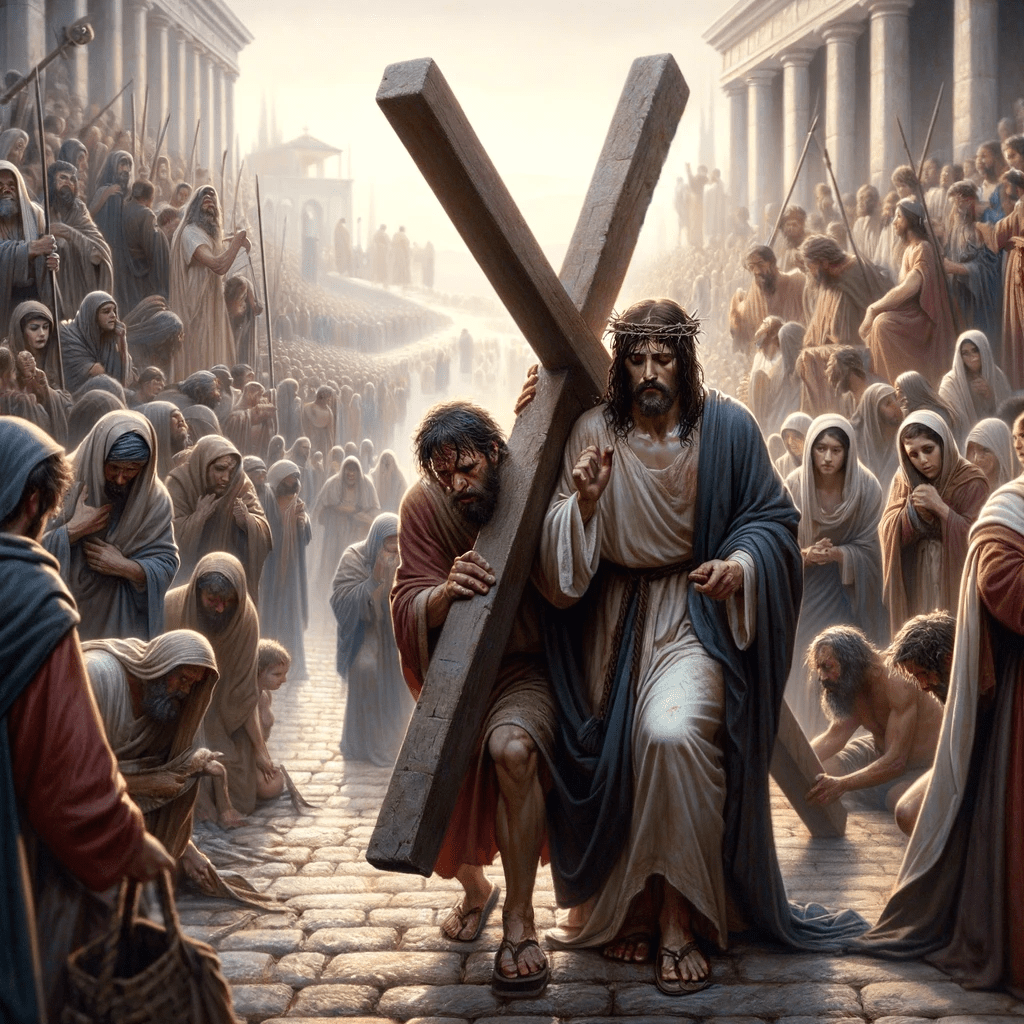
Section 4: The Burden of the Cross
The journey with the cross symbolizes the burdens we carry in life – our struggles, fears, and pains. It’s about the universal experience of suffering and the strength required to persevere. This passage teaches us about empathy, resilience, and the transformative power of enduring life’s challenges.
Section 5: The Crucifixion at Calvary
The crucifixion is a profound symbol of sacrifice, surrender, and the transcendence of suffering. It represents the ultimate act of love and forgiveness, showing us the power of unconditional love and the strength to forgive even in the face of immense pain and injustice.
Section 6: The Penitent Thief
The conversation with the penitent thief at the cross represents redemption and hope. It’s a reminder that no matter our past, we can always seek forgiveness and start anew. This story is about the power of compassion, understanding, and the promise of spiritual rebirth.
Section 7: The Final Moments
The final moments of the spiritual teacher’s earthly life symbolize the completion of a life journey and the return to the divine source. It’s about the release of the physical form and the transition to a higher state of being. This teaches us about the impermanence of life and the eternal nature of the spirit.
Section 8: The Burial and Reflection
The burial and the time of reflection that follows symbolize the need to honor our losses and process our grief. It’s about taking the time to reflect on our experiences, learn from them, and find closure. This passage encourages us to face our grief, honor our emotions, and ultimately find peace.
“The Path of Compassion: Embracing Life’s Deepest Trials” offers a reinterpretation of Luke 23, focusing on themes of staying true to inner wisdom, enduring mockery with integrity, balancing personal conscience with societal roles, bearing life’s burdens with resilience, the power of sacrifice and forgiveness, redemption and new beginnings, the transition of the spirit, and the process of grieving and reflection. This perspective invites us to navigate life’s trials with compassion, understanding, and a deep connection to the divine essence within us all.
Title: “Awakening to the Eternal: A Journey of Transformation in Luke 24”
Section 1: The Dawn of Realization
The discovery of the empty tomb symbolizes the awakening of consciousness and the realization of deeper truths. It represents the moment of understanding that there is more to existence than the physical realm and that the essence of being transcends physical death. This section teaches us about the journey of spiritual awakening and the discovery of eternal truths.
Section 2: The Road to Emmaus: The Journey of Understanding
The walk to Emmaus and the conversation with the unrecognized teacher symbolize our journey through life, often unaware of the divine guidance accompanying us. The discussion about the events symbolizes the process of gaining deeper insights and understanding the true meaning of our life experiences. This story illustrates the gradual awakening of consciousness and the recognition of the divine presence in our lives.
Section 3: The Moment of Recognition
The breaking of bread and the moment of recognition signify the instant when spiritual truth becomes clear to us. It symbolizes the opening of the eyes of the soul to recognize the divine nature of existence and the interconnectedness of all life. This moment teaches us about the transformative power of spiritual realization and the deep connection we share with the divine.
Section 4: Return to the Community: Sharing the Insight
The return to Jerusalem and the sharing of the experience with others represent the integration of spiritual insights into our daily lives and the importance of sharing our understanding with the community. This section highlights the value of community and collective growth in our spiritual journey and the importance of sharing our wisdom and insights.
Section 5: The Gift of Peace and Understanding
The appearance and the message of peace symbolize the inner peace that comes with spiritual understanding. The doubts and fears of the disciples reflect our own uncertainties on the spiritual path. This section teaches us about the tranquility that comes with true understanding and the resolution of inner conflicts.
Section 6: The Promise of Continuing Guidance
The promise of spiritual empowerment and guidance symbolizes the ongoing support and wisdom that is available to us as we continue our spiritual journey. It’s about recognizing that we are never alone in our journey and that divine guidance is always available to us. This section emphasizes the continuous process of learning and growing in our spiritual path.
Section 7: The Ascension: A Symbol of Transcendence
The ascension represents the ultimate transcendence of the physical realm and the union with the divine. It symbolizes the journey of the soul towards higher states of consciousness and the ultimate goal of spiritual evolution. This story teaches us about the potential for spiritual growth and the ultimate destiny of the soul.
“Awakening to the Eternal: A Journey of Transformation in Luke 24” offers a reinterpretation of Luke 24, focusing on themes of spiritual awakening, the journey of understanding, the moment of recognition, sharing insights with the community, inner peace and understanding, the promise of ongoing guidance, and the transcendence of the soul. This perspective invites us to embark on our spiritual journey with openness, embrace the wisdom available to us, and share our insights, fostering a deeper connection with the divine and with each other.

Here is an image depicting the joyous moment of Elizabeth giving birth to her son, John, surrounded by her community.

Here is an image depicting a young John living in the wilderness.

Here is an image that captures the biblical scene of Joseph and Mary’s journey to Bethlehem and the birth of their firstborn son.
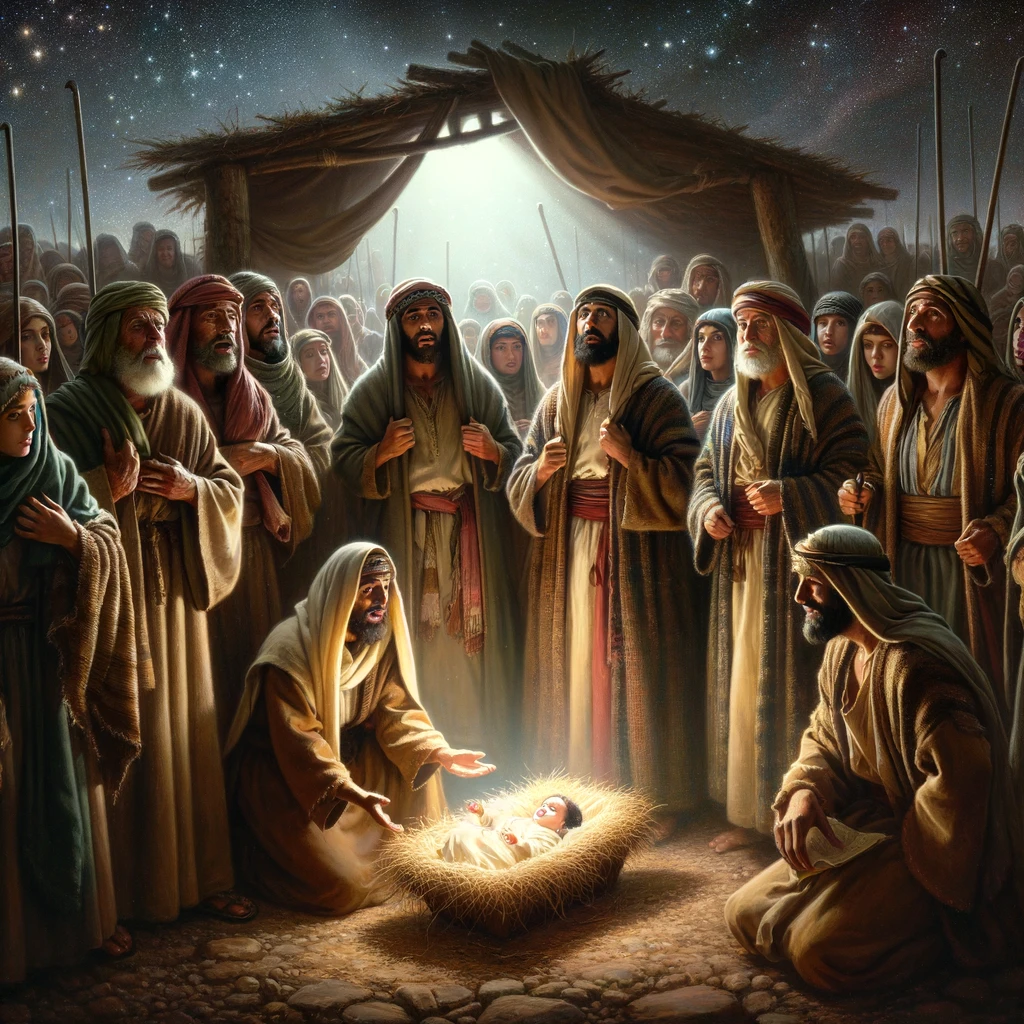
Here is an image depicting the shepherds from Luke 2, capturing their journey to Bethlehem and their encounter with Mary, Joseph, and the baby Jesus.
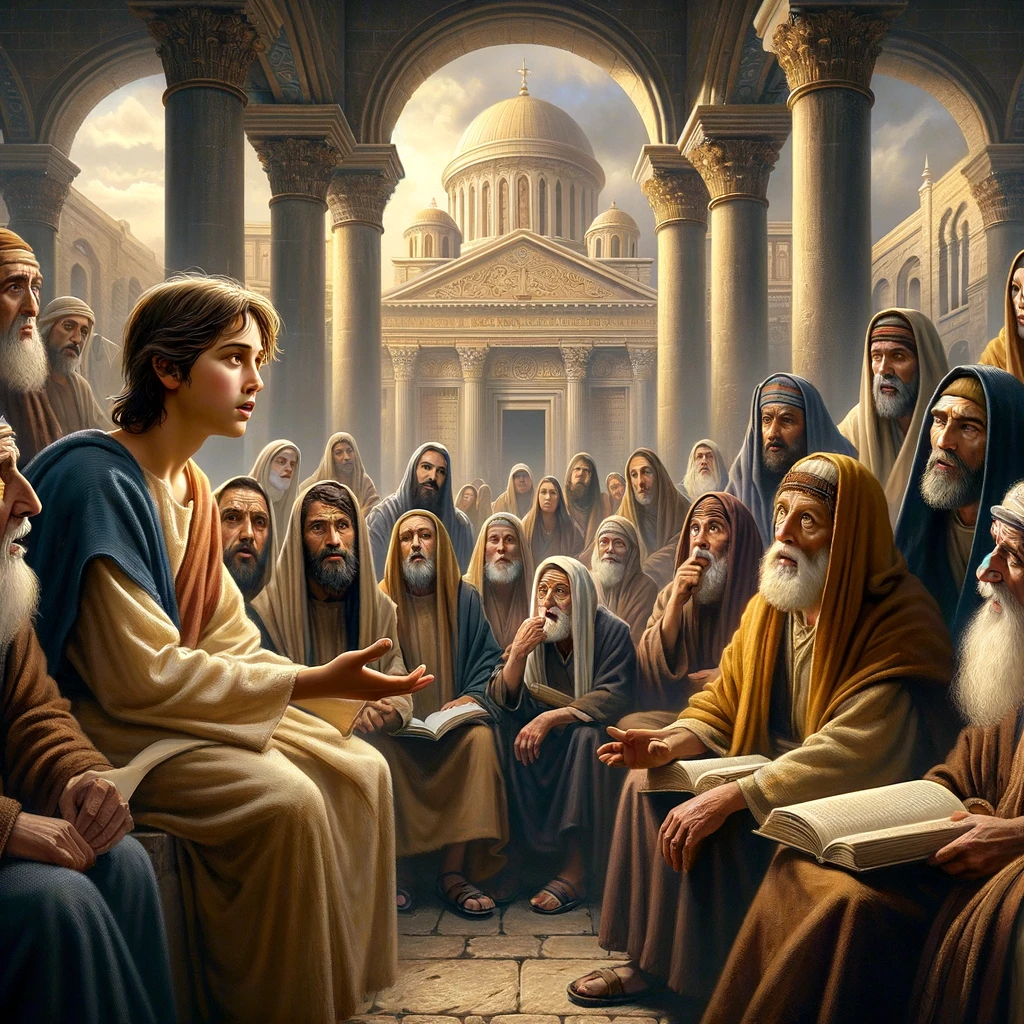
Here is an image depicting the young Jesus at the Temple in Jerusalem, as described in the biblical account.
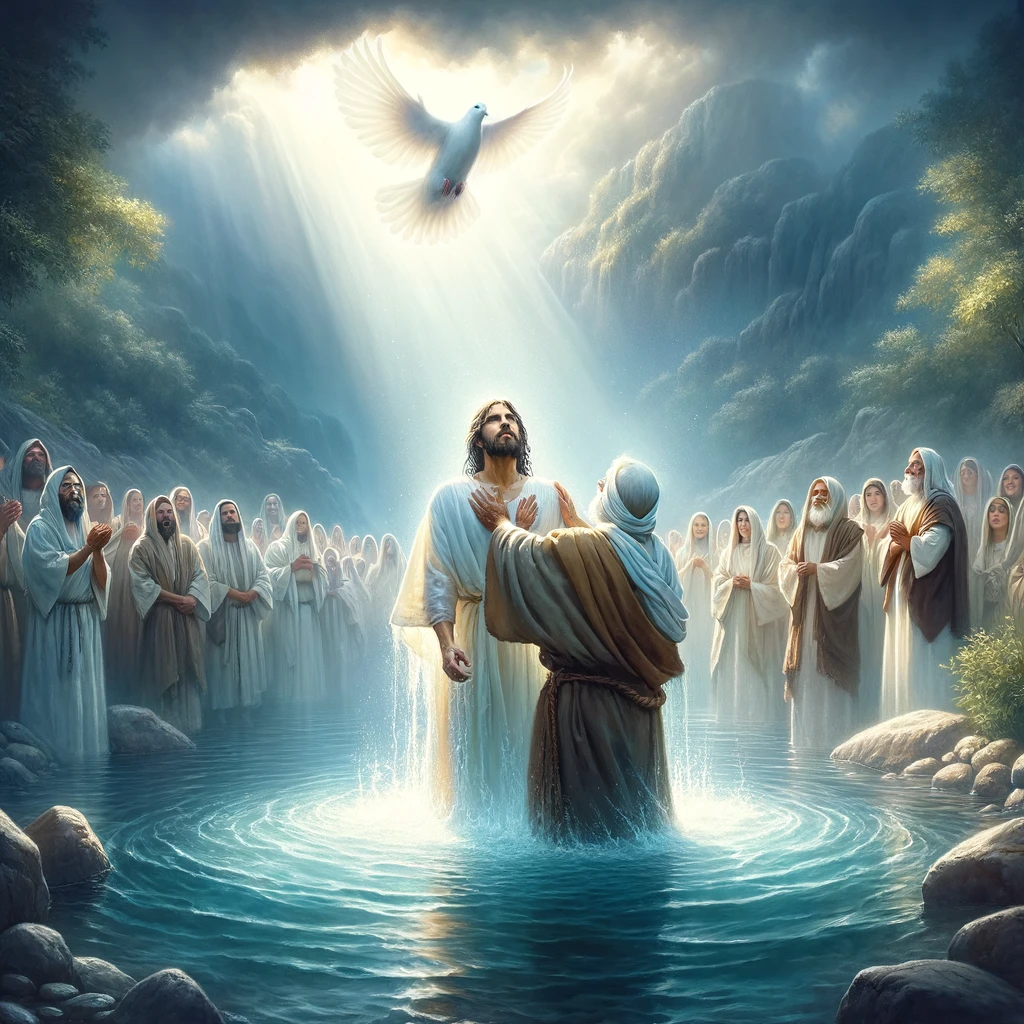
Here is an image depicting the baptism of Jesus, including the moment when the Holy Spirit descended upon him in the form of a dove.
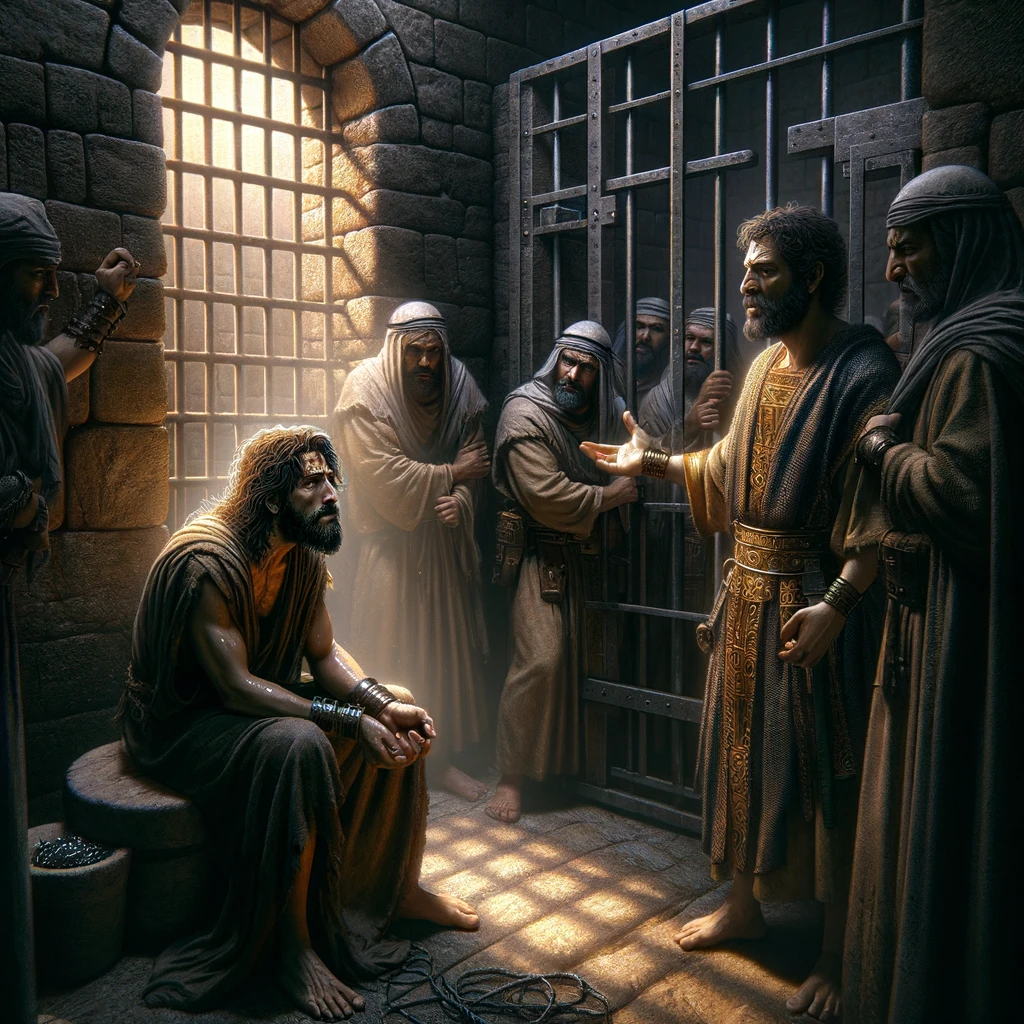
Here is an image depicting John the Baptist being locked up in prison by Herod, as described in the biblical account.

Here is an image depicting the scene where the devil tempts Jesus by showing him all the kingdoms of the world from a high place.
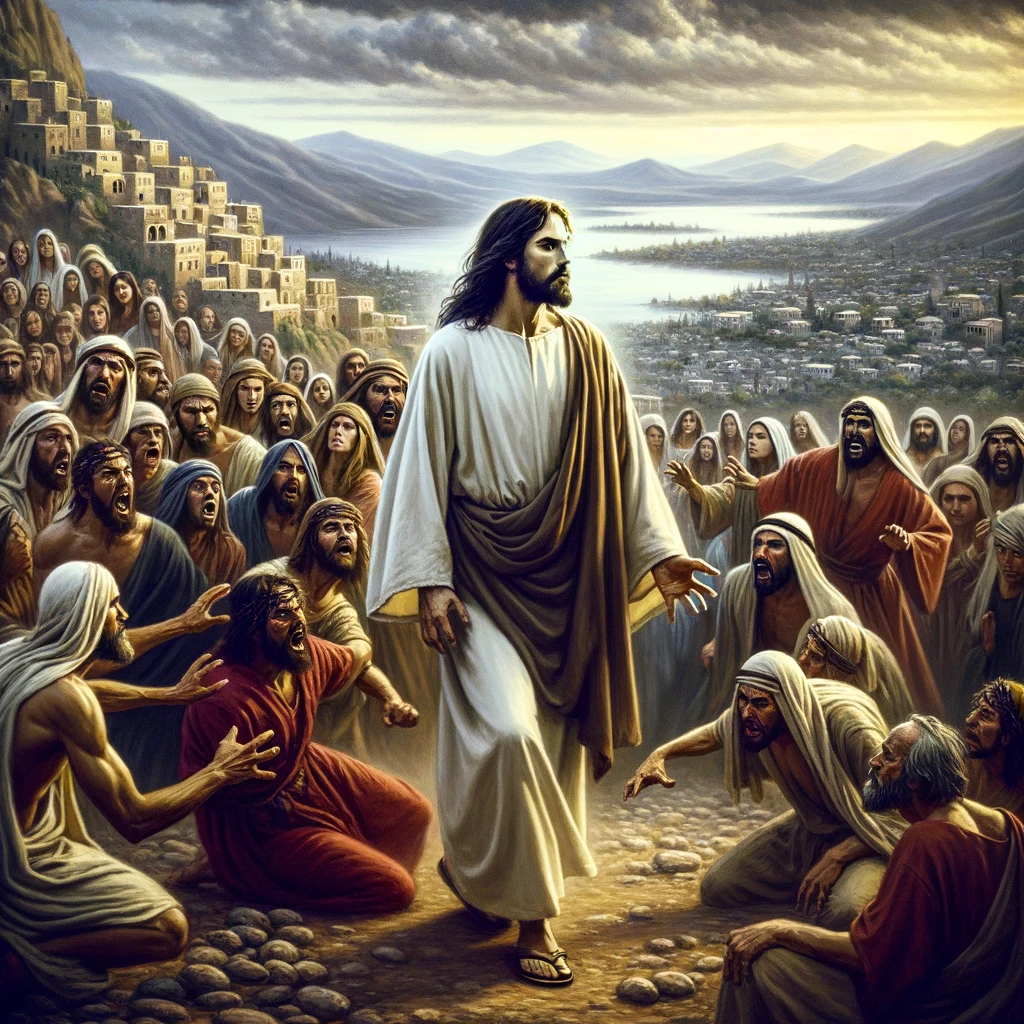
Here is an image depicting the scene where Jesus is not accepted in his hometown of Nazareth, showing the tension and confrontation with the townspeople.
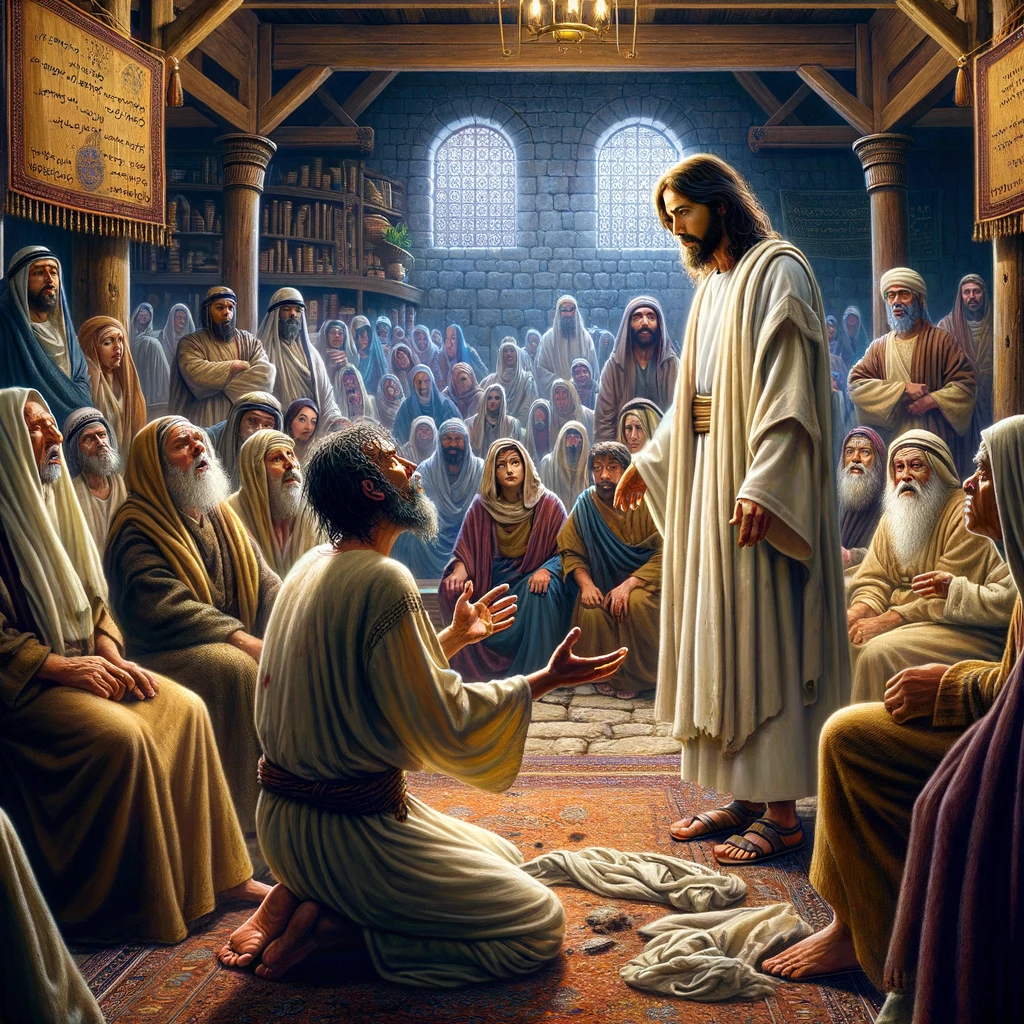
Here is an image depicting the biblical scene of Jesus driving out an impure spirit in Capernaum.
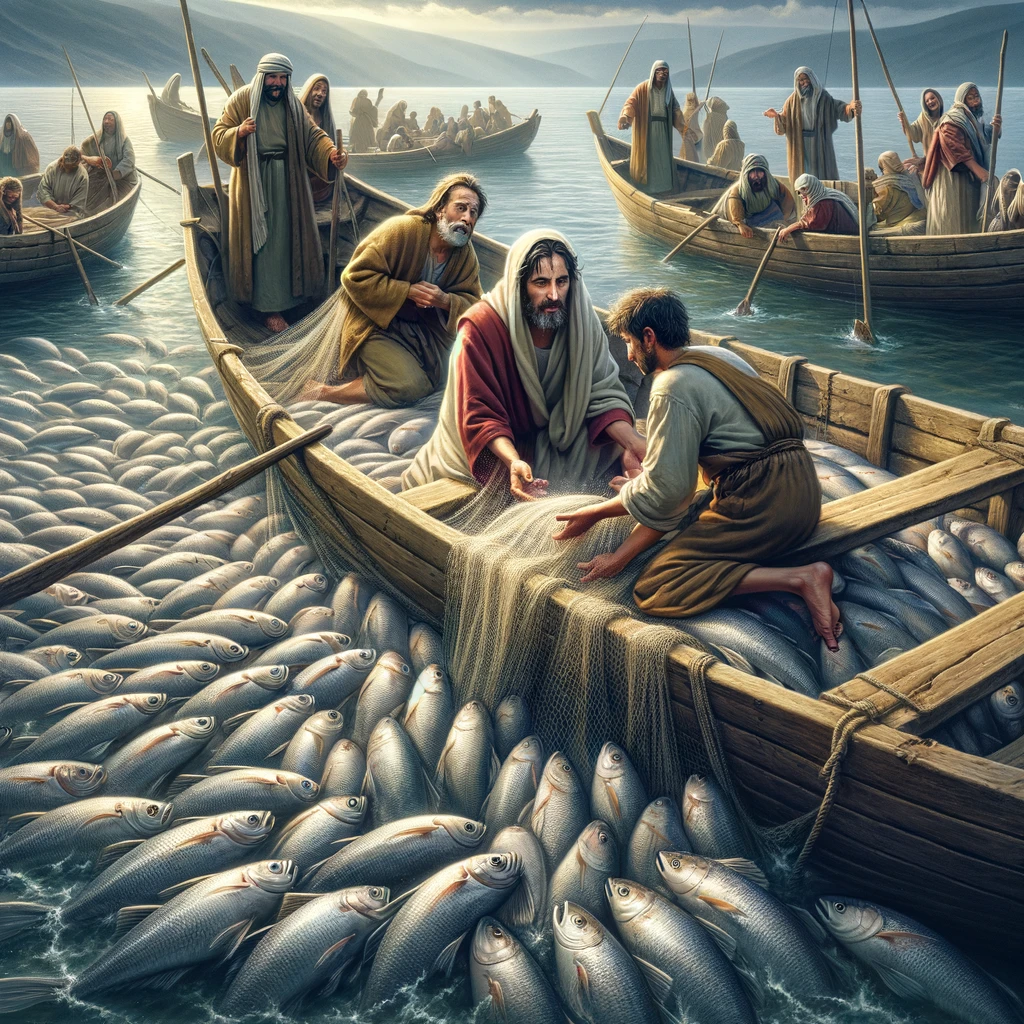
Here is an image depicting the biblical event where a miraculous catch of fish leads to the nets breaking and boats nearly sinking.
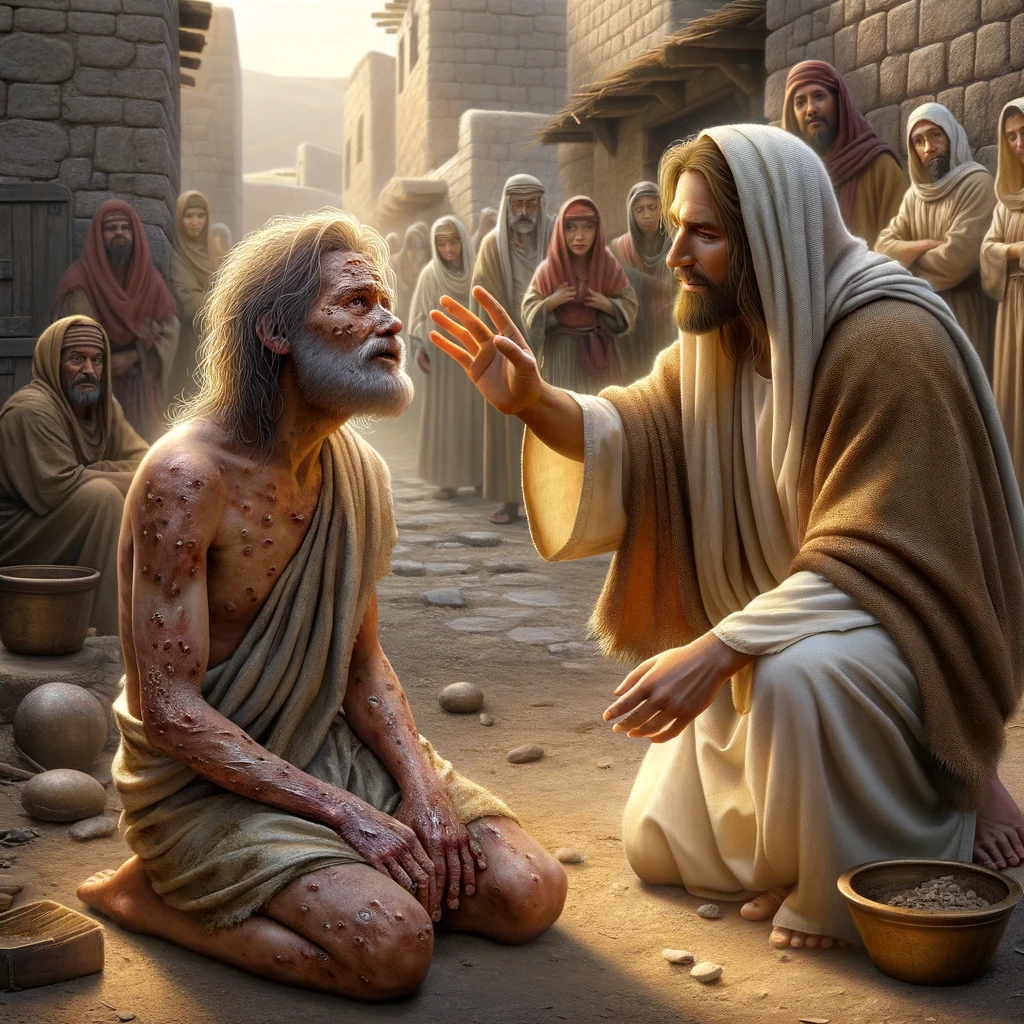
Here is an image depicting the biblical scene where Jesus heals a man with leprosy.
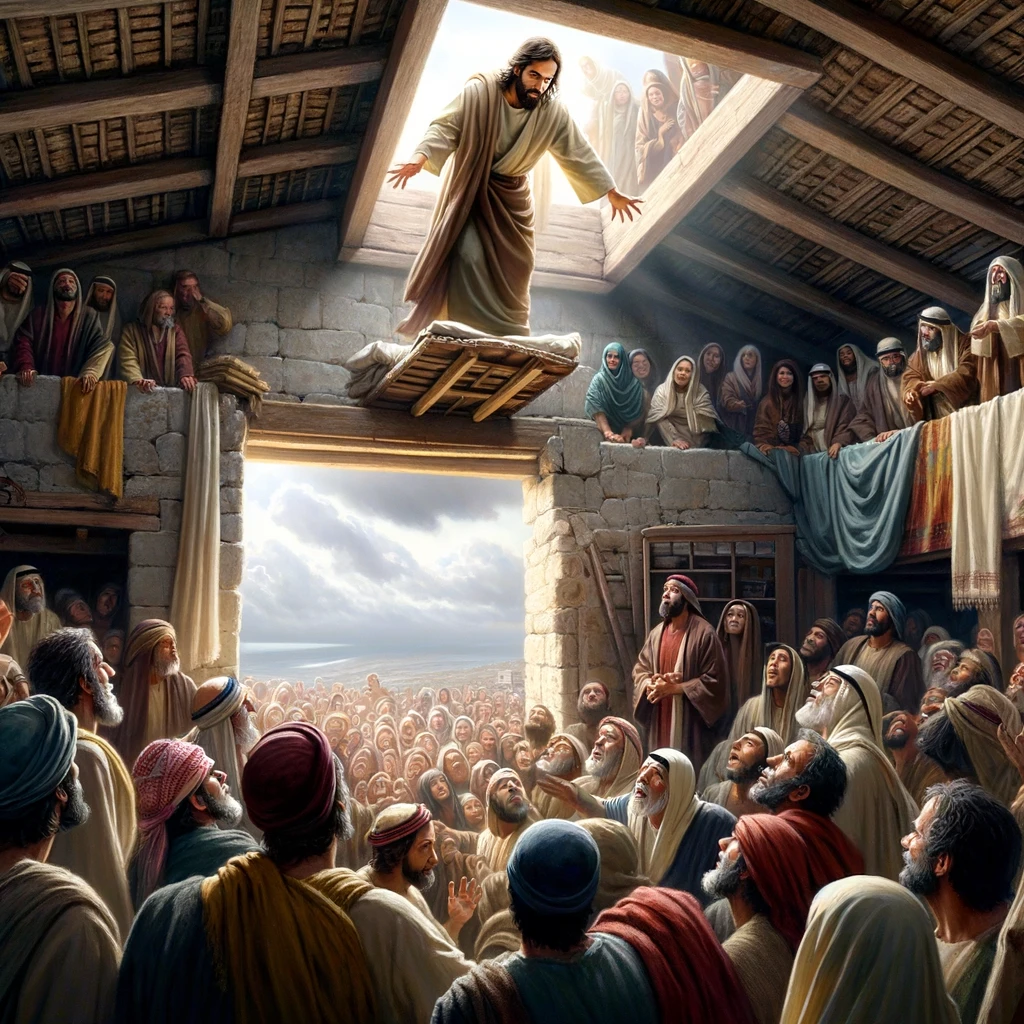
Here is an image depicting the biblical scene where a paralyzed man is lowered through the roof to be placed in front of Jesus.
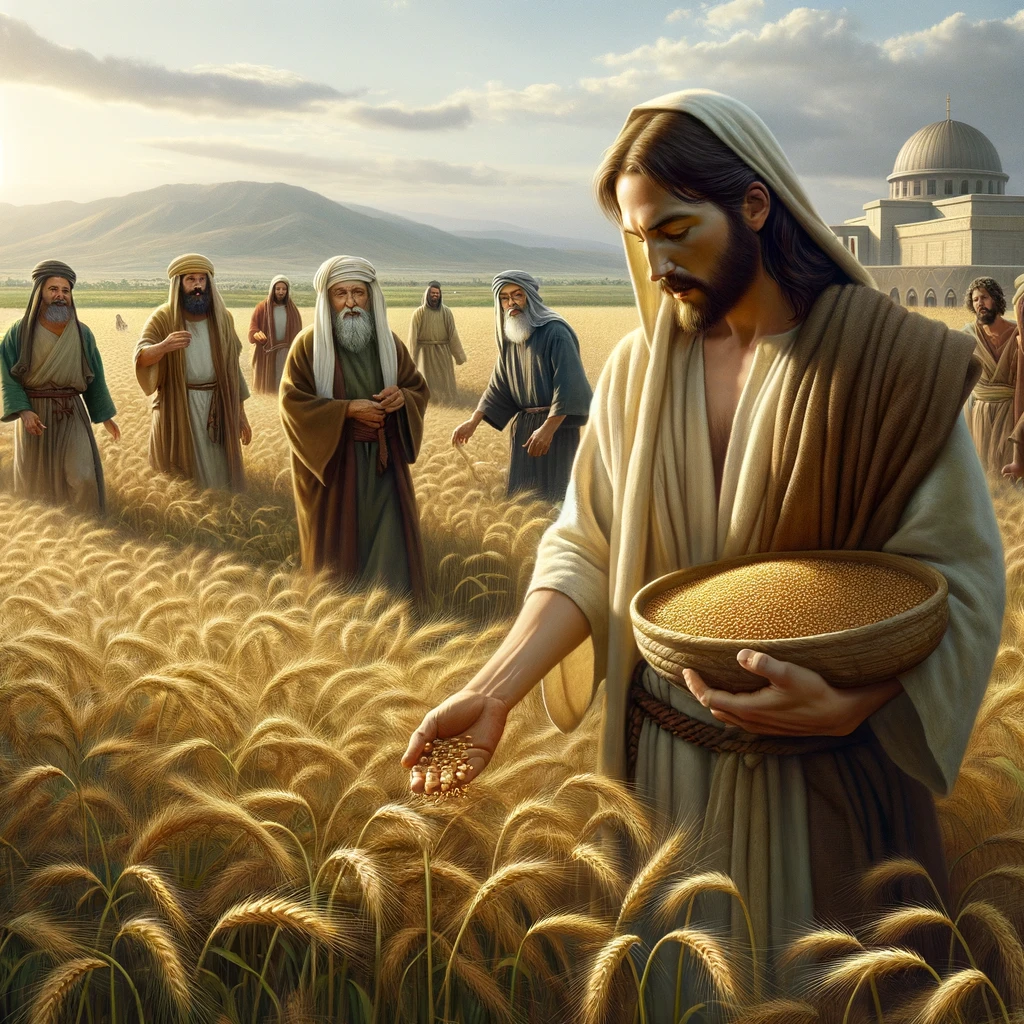
Here is an image depicting the biblical scene where Jesus and his disciples are in a grainfield on the Sabbath, with the Pharisees questioning their actions.
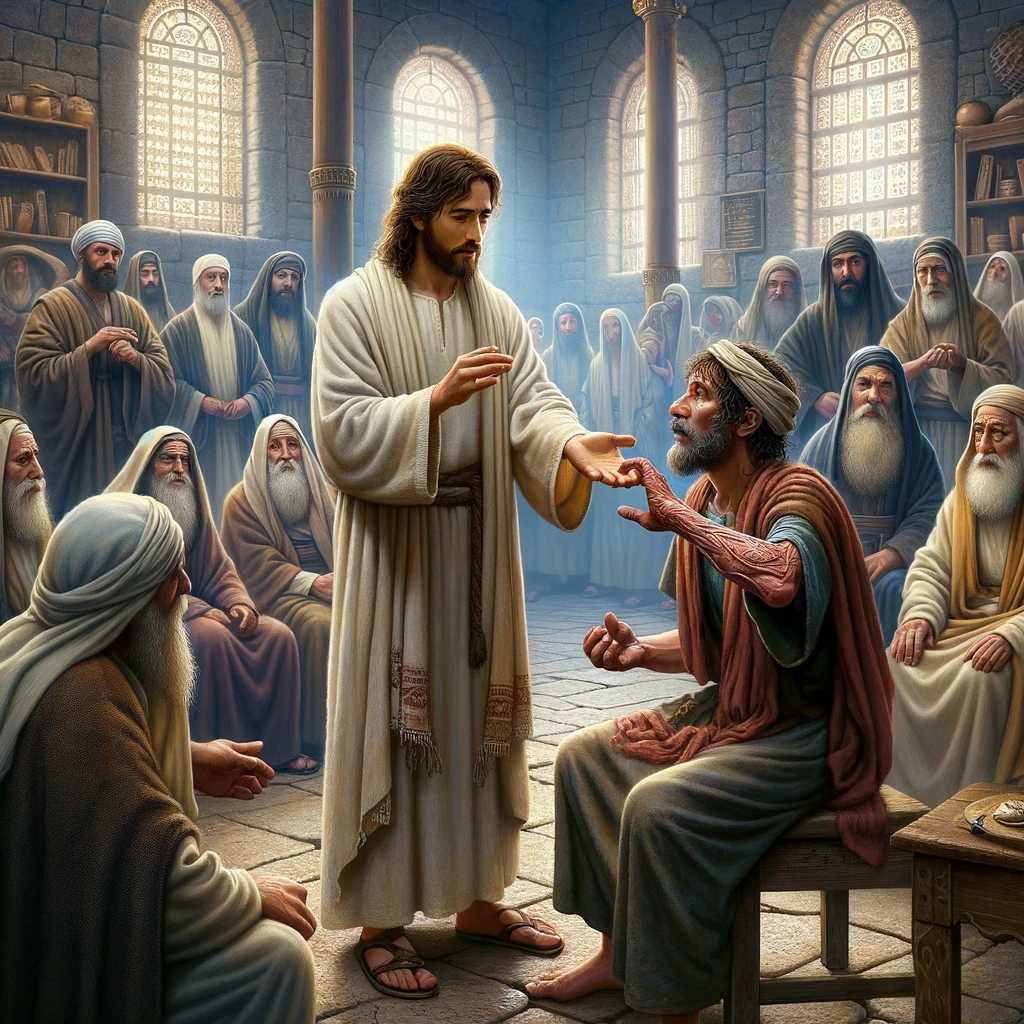
Here is an image depicting the biblical scene where Jesus heals a man with a shriveled hand in a synagogue on the Sabbath.
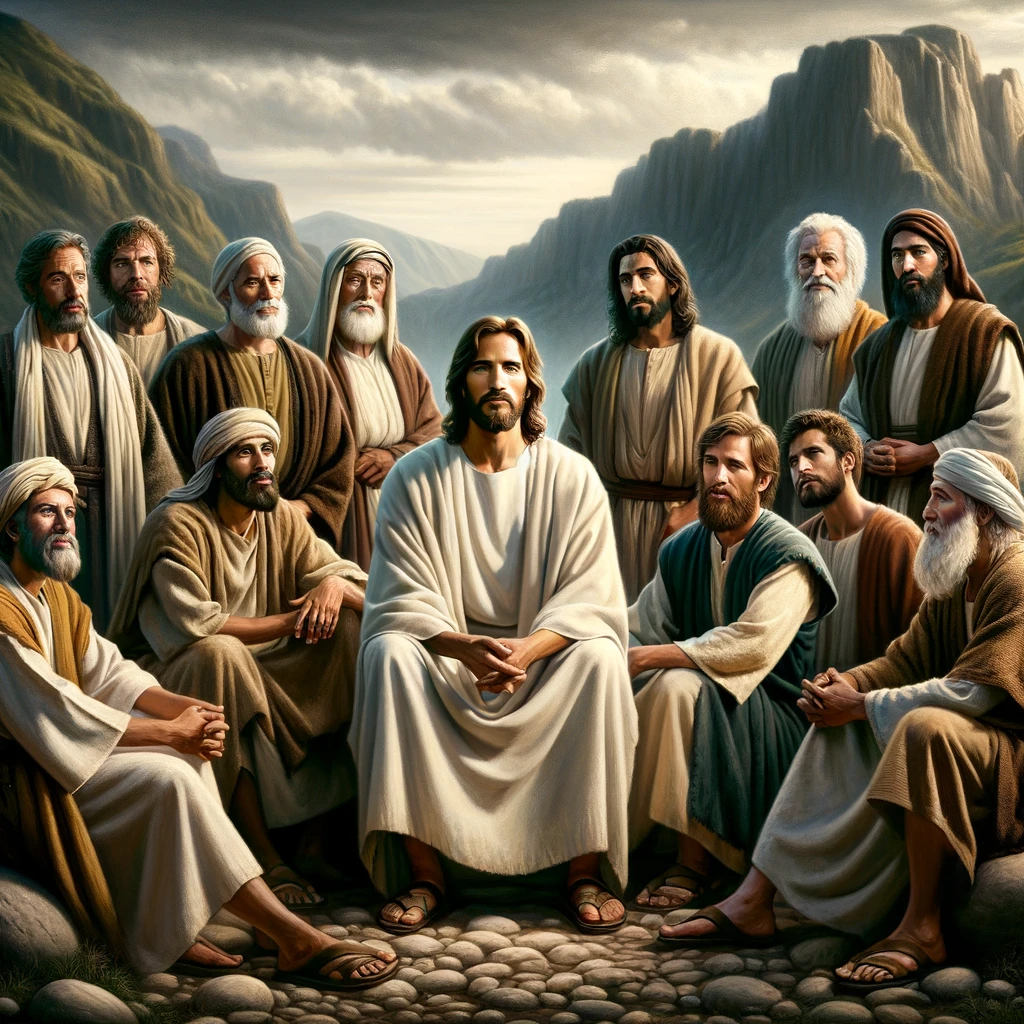
Here is an image depicting Jesus with his twelve disciples, also known as the Twelve Apostles, on a mountainside.

Here is an image visually representing the biblical parable of the Wise and Foolish Builders.
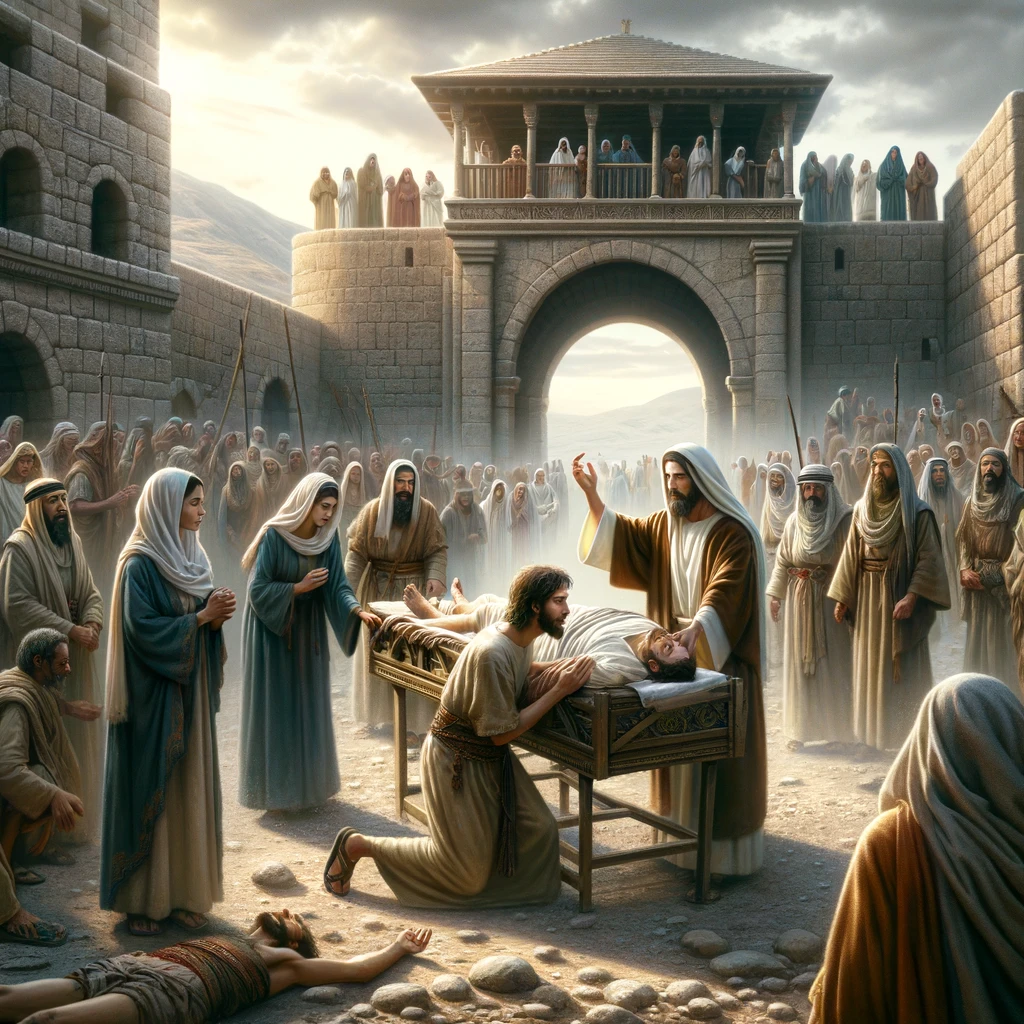
Here is an image depicting the biblical scene where Jesus raises a young man from the dead in the town of Nain.

Here is an image depicting the biblical scene where Jesus dines at a Pharisee’s house and a penitent woman approaches him, expressing her repentance.
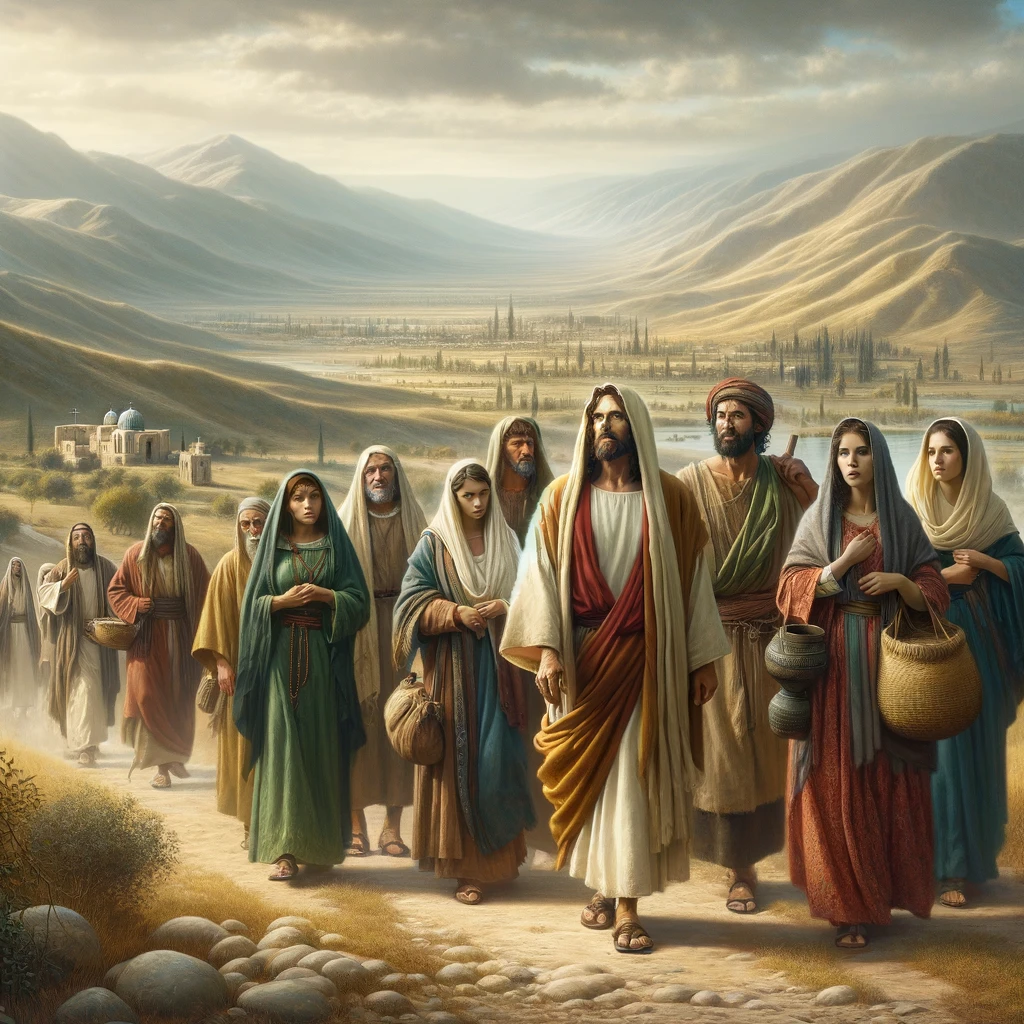
Here is an image depicting Jesus traveling with his disciples and the three women mentioned in the Bible: Mary Magdalene, Joanna, and Susanna.

Here is an image depicting the biblical scene where Jesus calms the storm on the lake, showcasing his divine authority over nature and the reactions of his disciples.
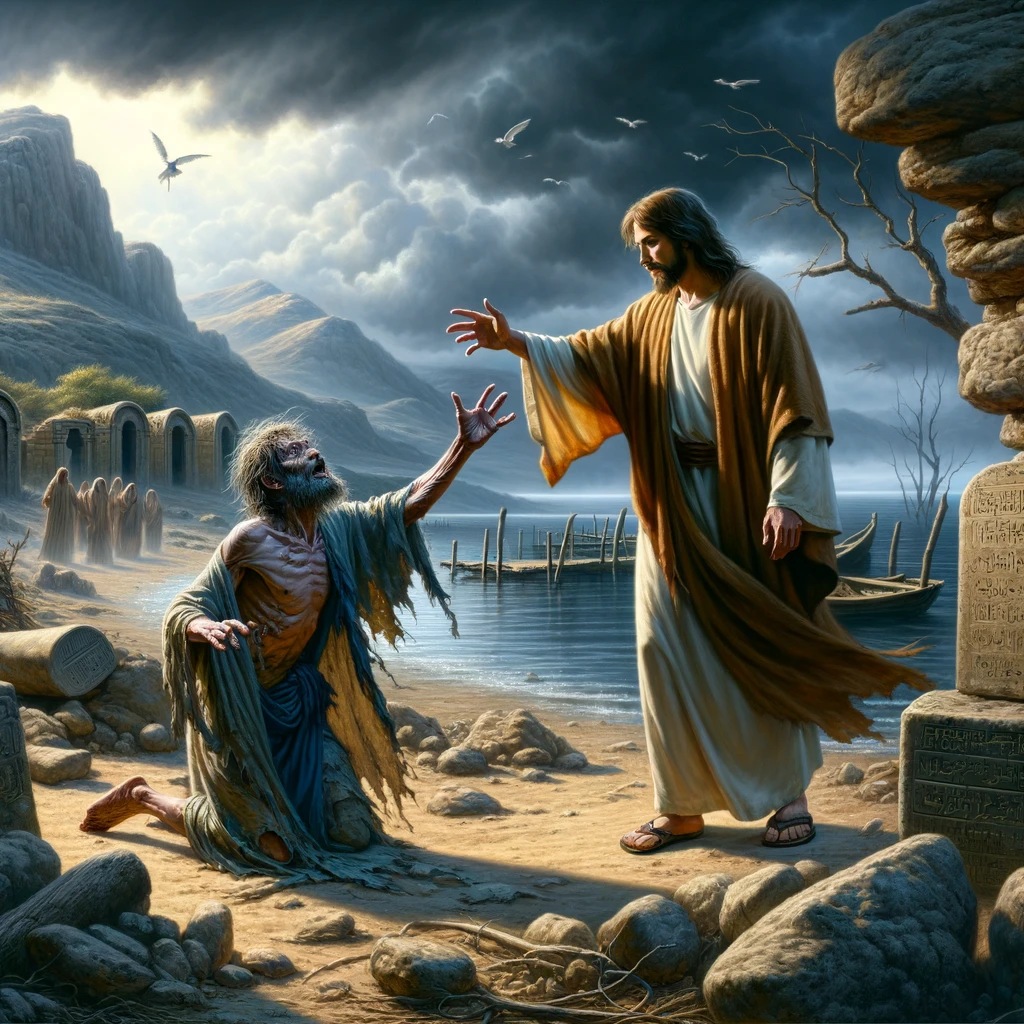
Here is an image depicting the biblical scene where Jesus restores a demon-possessed man in the region of the Gerasenes.
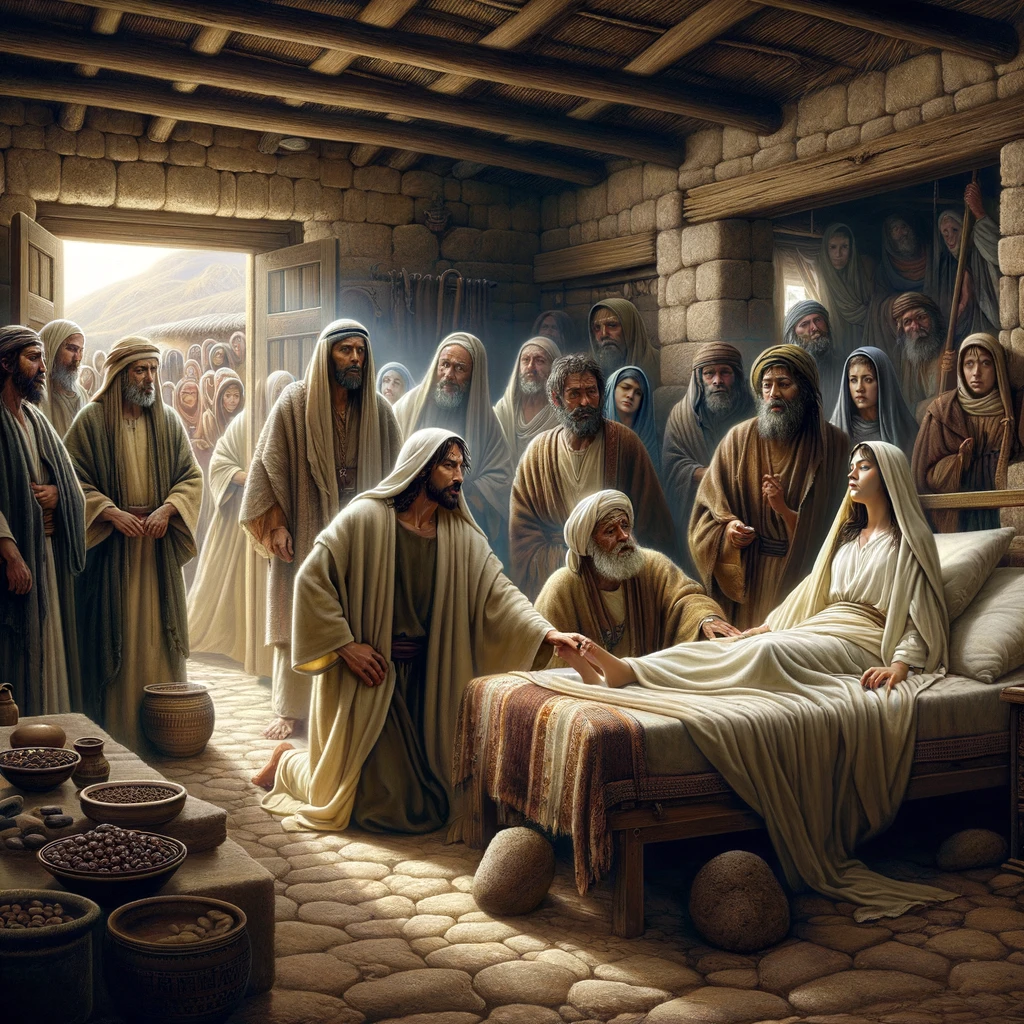
Here is an image depicting the biblical scene where Jesus visits the house of Jairus to heal his daughter.
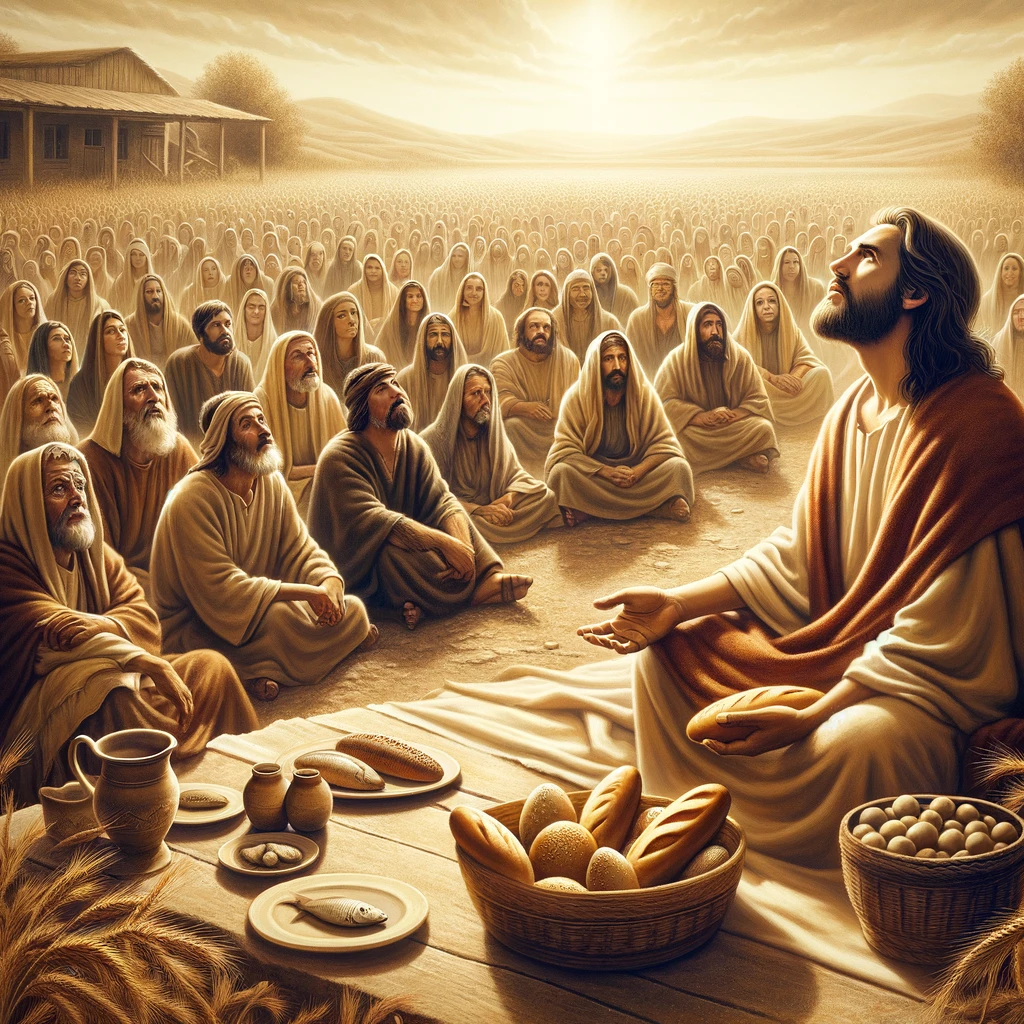

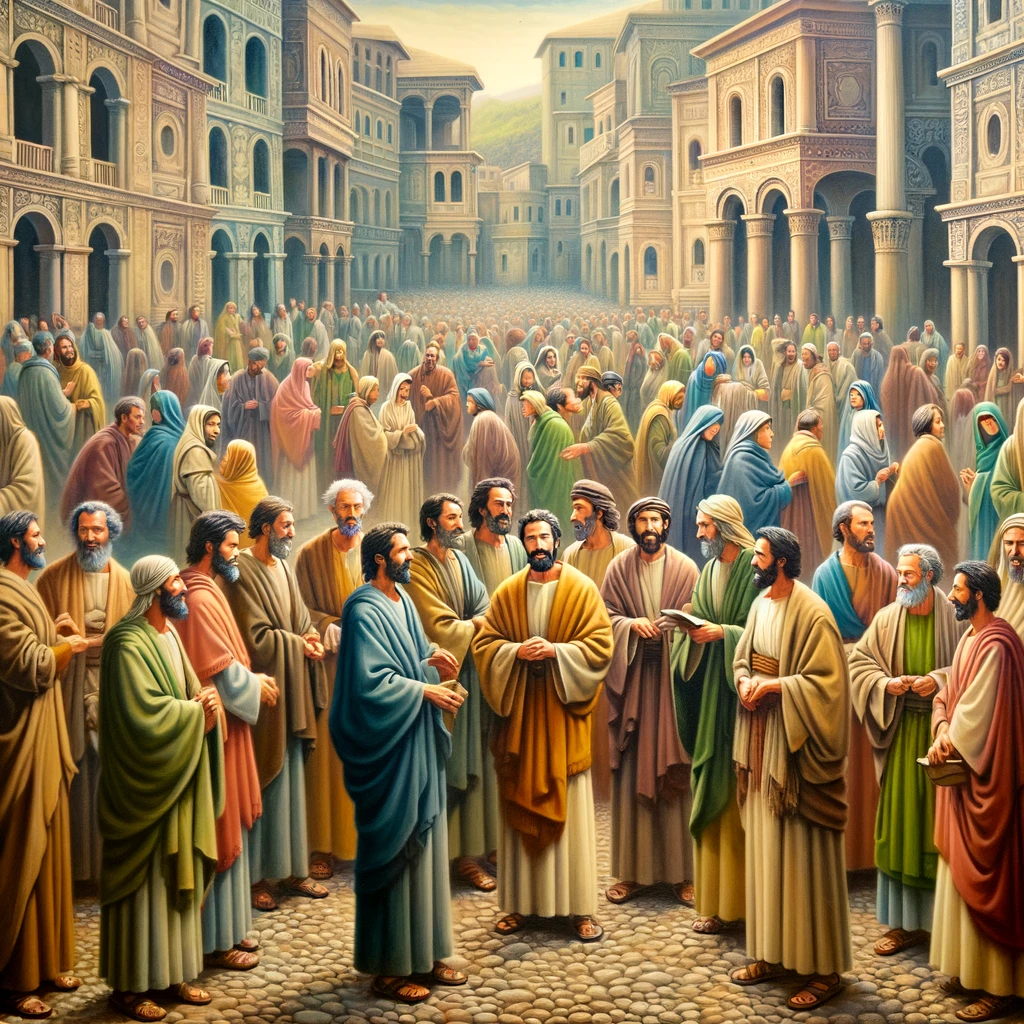
Here’s the image depicting the scene of the seventy evangelists from Luke 10.
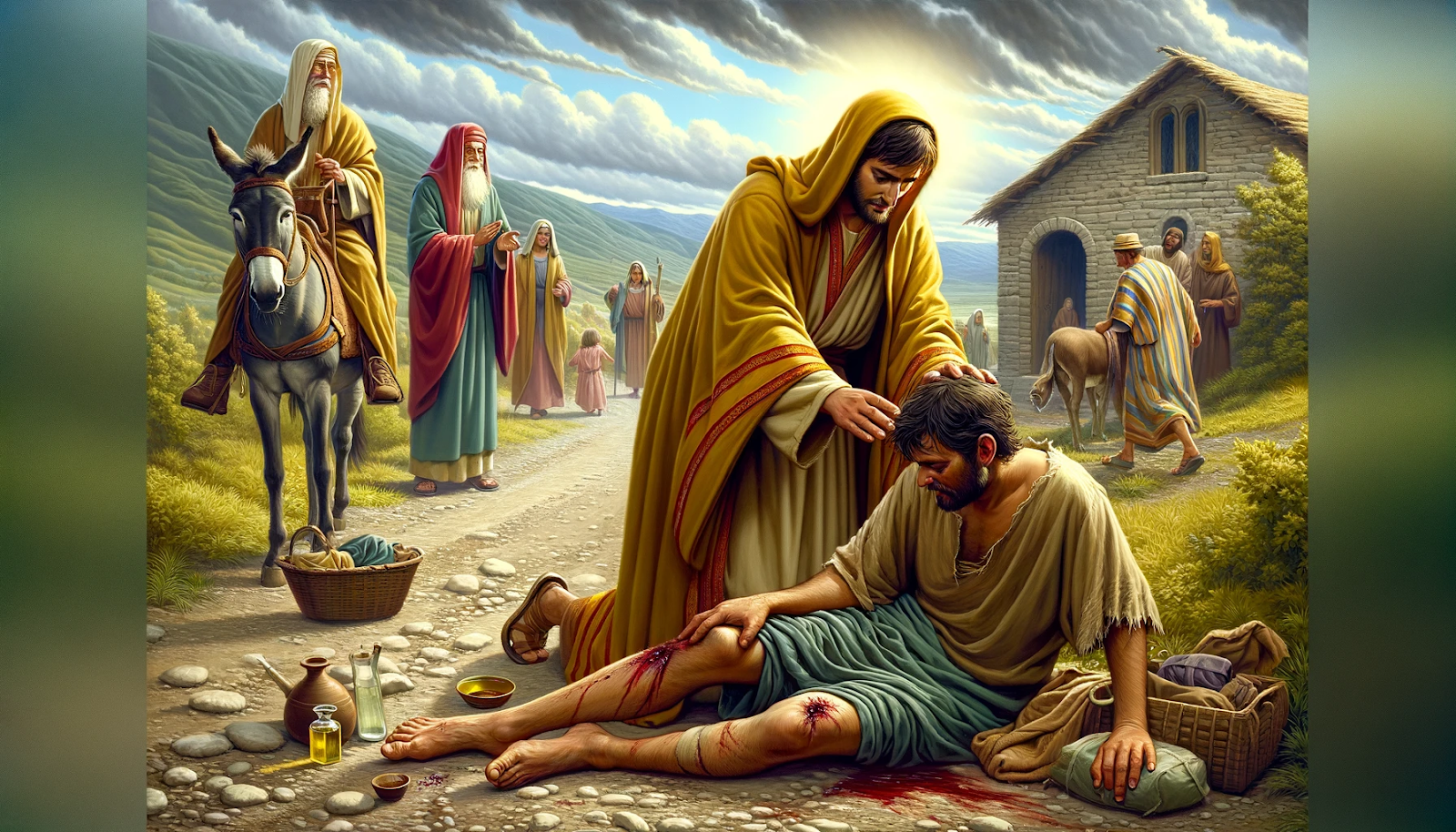
Here is the image depicting the Good Samaritan scene from the book of Luke in the Bible. This visual interpretation captures the essence of compassion, kindness, and neighborly love as described in the parable.

Here is the image that portrays the verses from Luke about God’s provision for the birds of the air and the beauty of the lilies in the field. It captures the essence of trust and the natural beauty of God’s creation as described in the biblical verses.
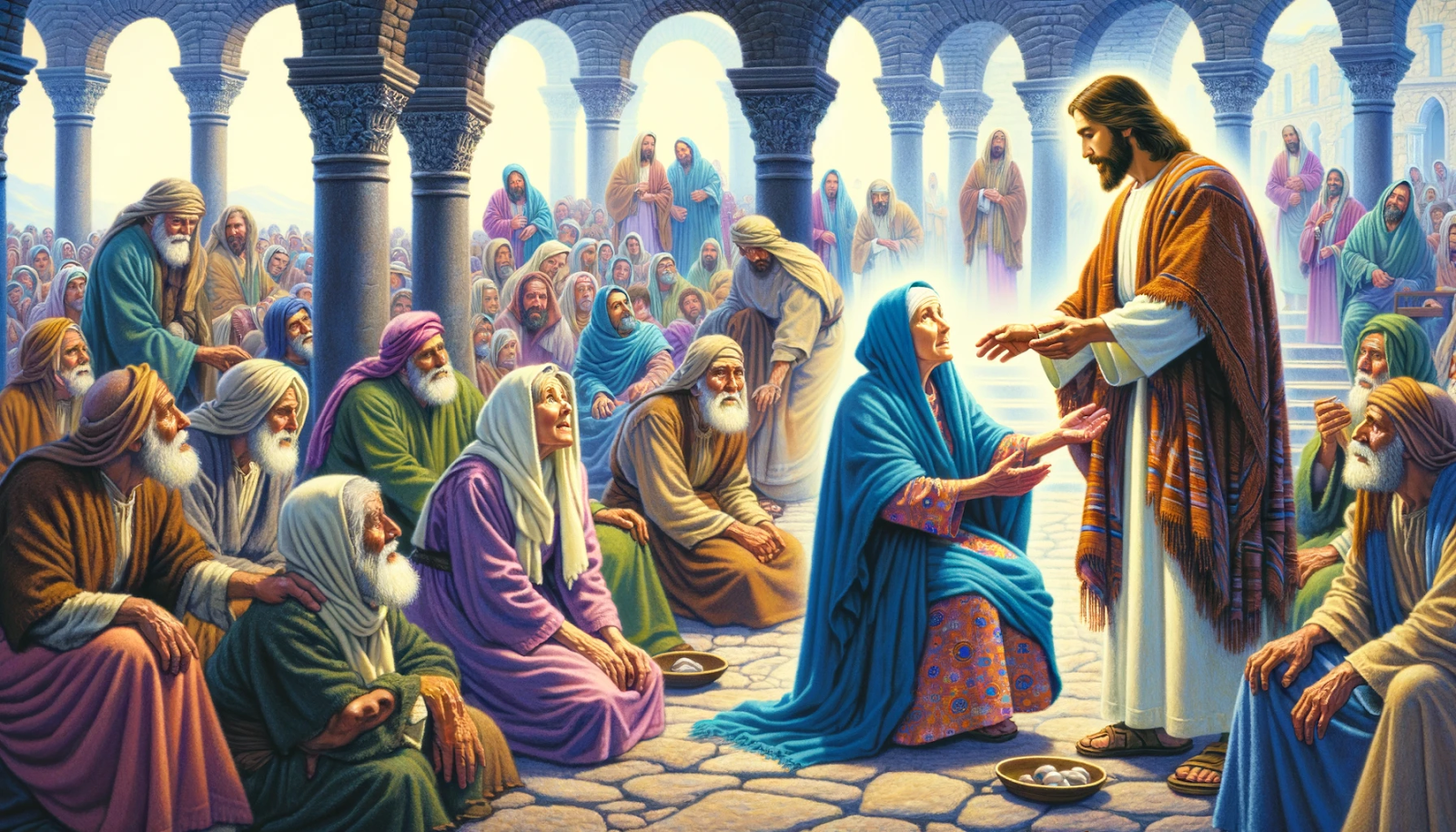
The image depicting the biblical scene where Jesus heals a crippled woman in a synagogue is now available. It captures the moment of healing and the profound impact of Jesus’s words and actions.
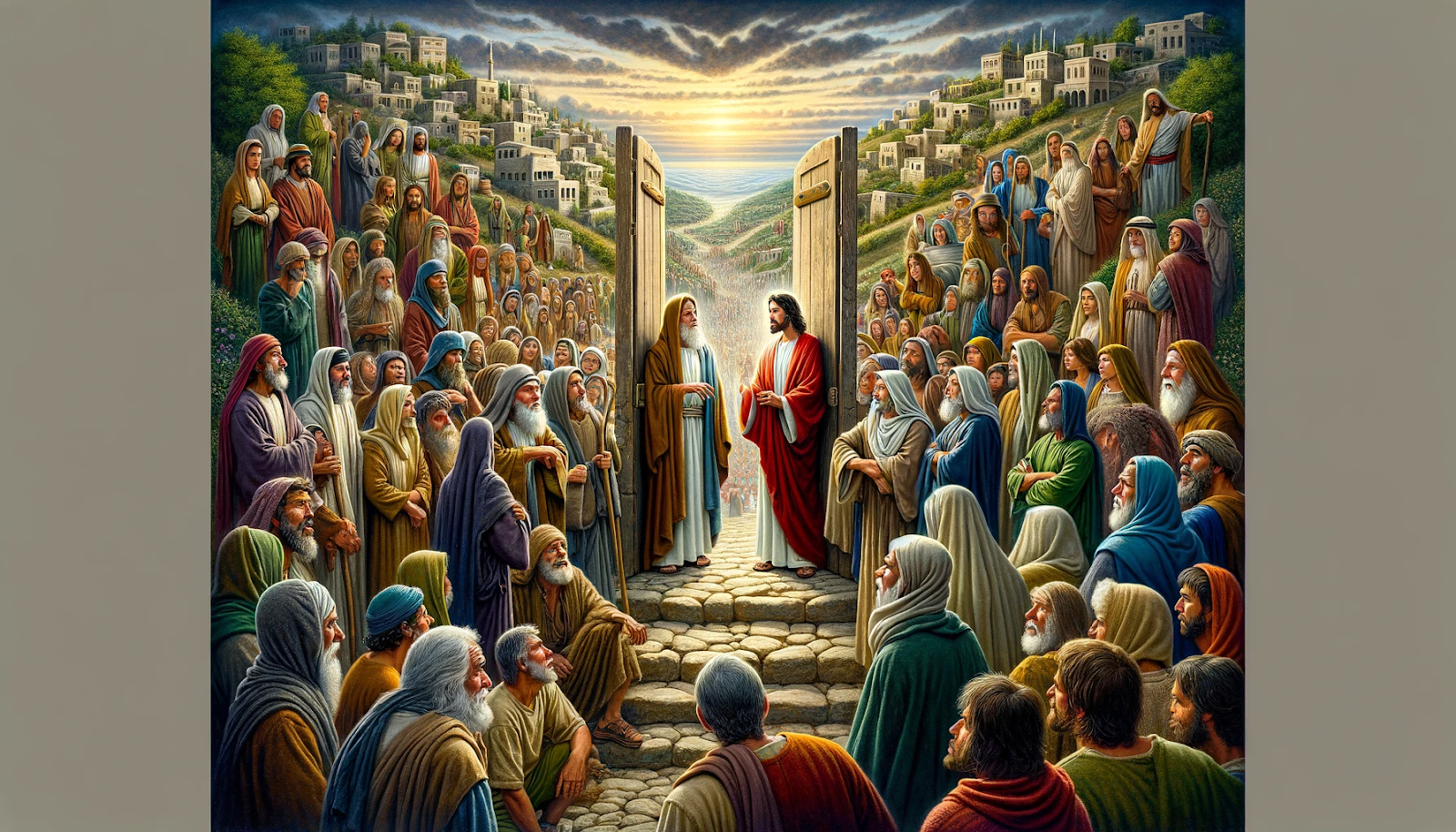
The image that visually interprets the parable of the Narrow Door from the Bible is now available. It illustrates the metaphorical narrative and the profound message conveyed in this teaching.

The image that illustrates the Parable of the Lost Sheep from the book of Luke in the Bible has been created. It captures the essence of the parable, highlighting the shepherd’s care and the joy of finding the lost sheep.

The image that brings to life the Parable of The Rich Man and Lazarus from the book of Luke in the Bible has been created. It vividly captures the contrast between the lives and fates of the two central characters, conveying the moral lesson of the parable.
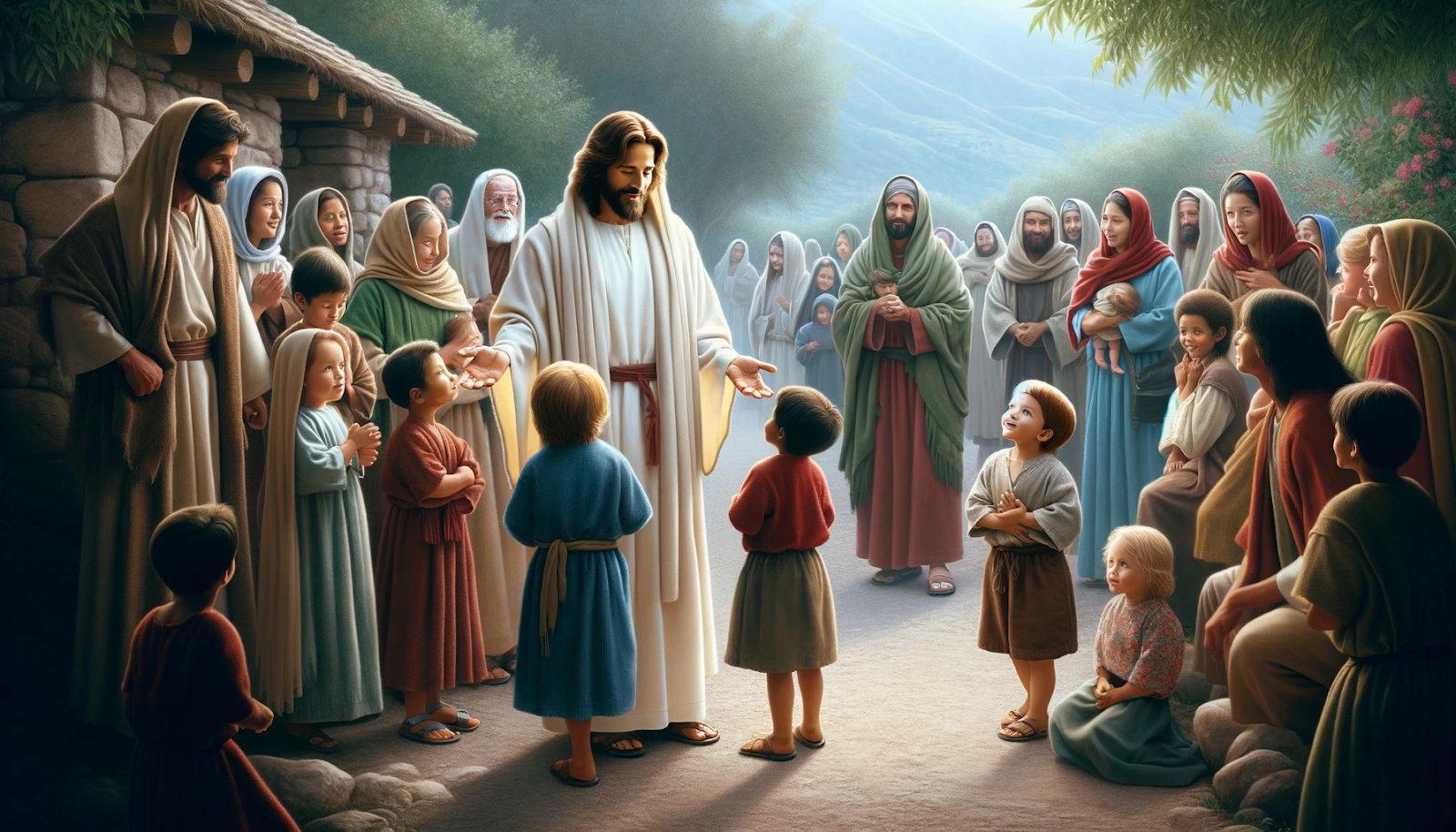
The image that realistically depicts the scene of ‘The Little Children and Jesus’ from the Bible is now available. It portrays the warmth and welcoming nature of Jesus towards the children, capturing the essence of the biblical narrative.
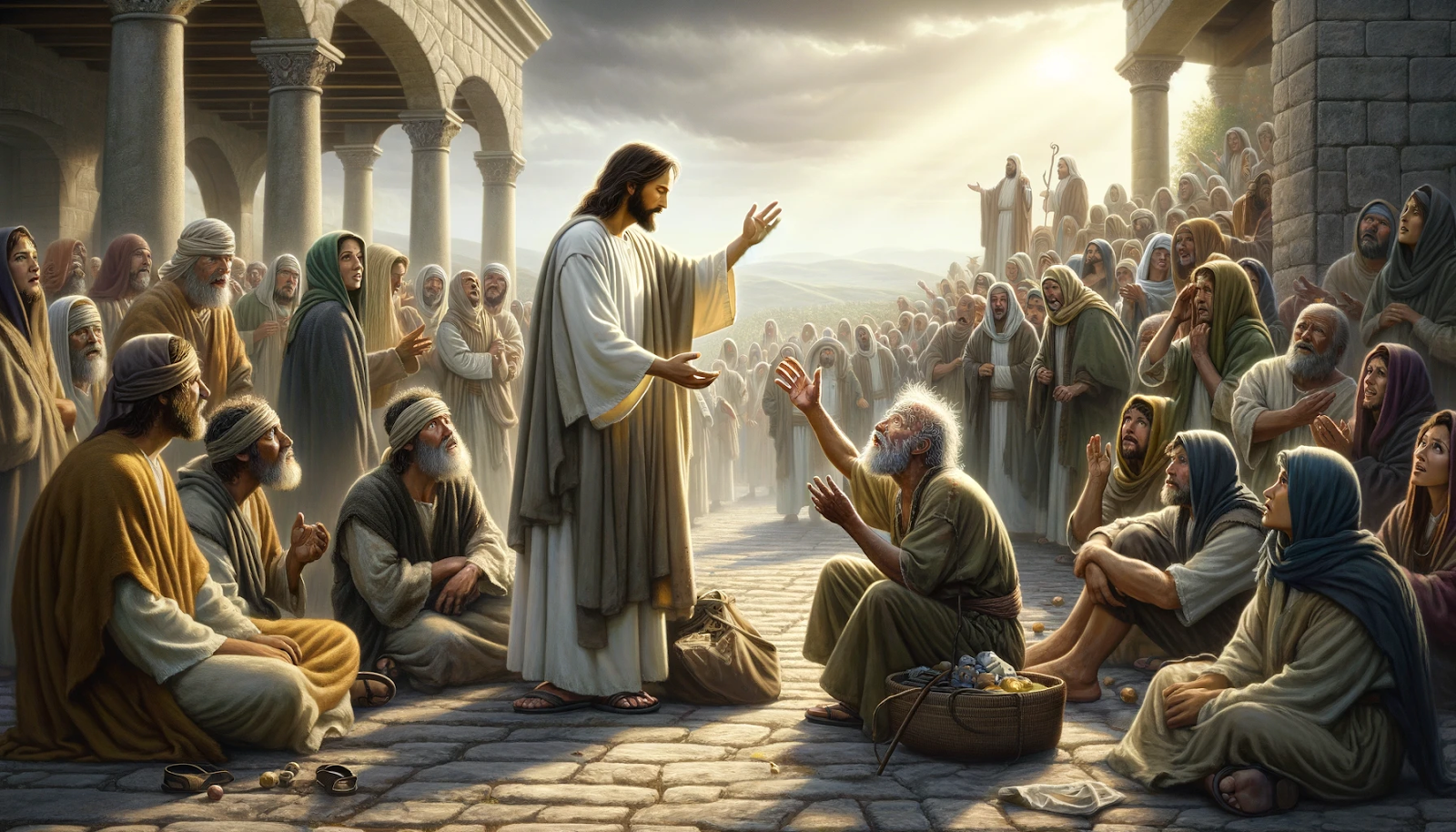
The revised image that realistically depicts the biblical scene of ‘A Blind Beggar Receives His Sight’, including Jesus in the scene, is now available. It captures the interaction between Jesus and the blind man, highlighting the moment of healing and the crowd’s reaction.
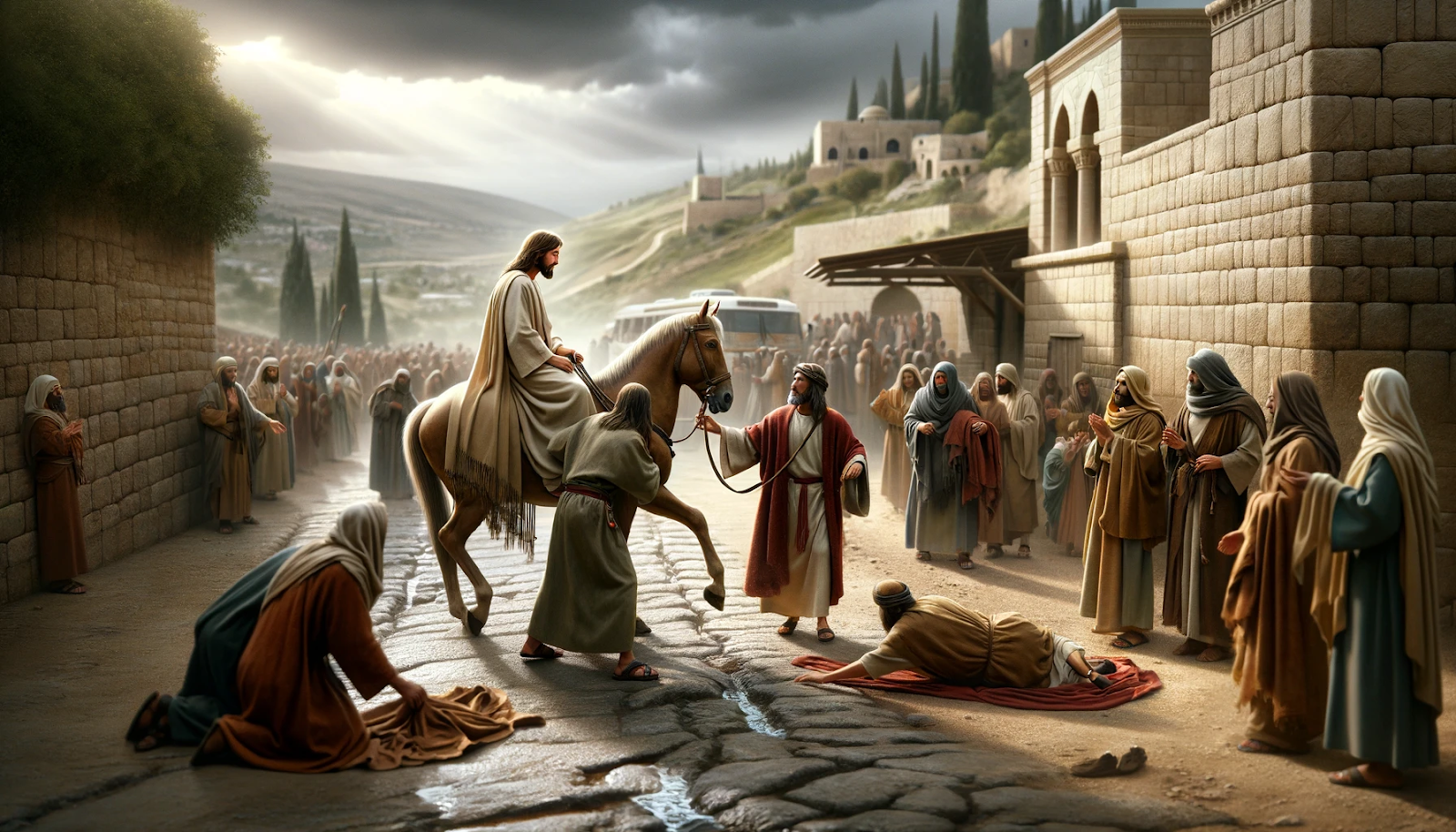
The image that realistically portrays the biblical scene of ‘Jesus Comes to Jerusalem as King’ is now available. It depicts the significant moments as Jesus approaches Jerusalem, reflecting the reverence and anticipation of his arrival.
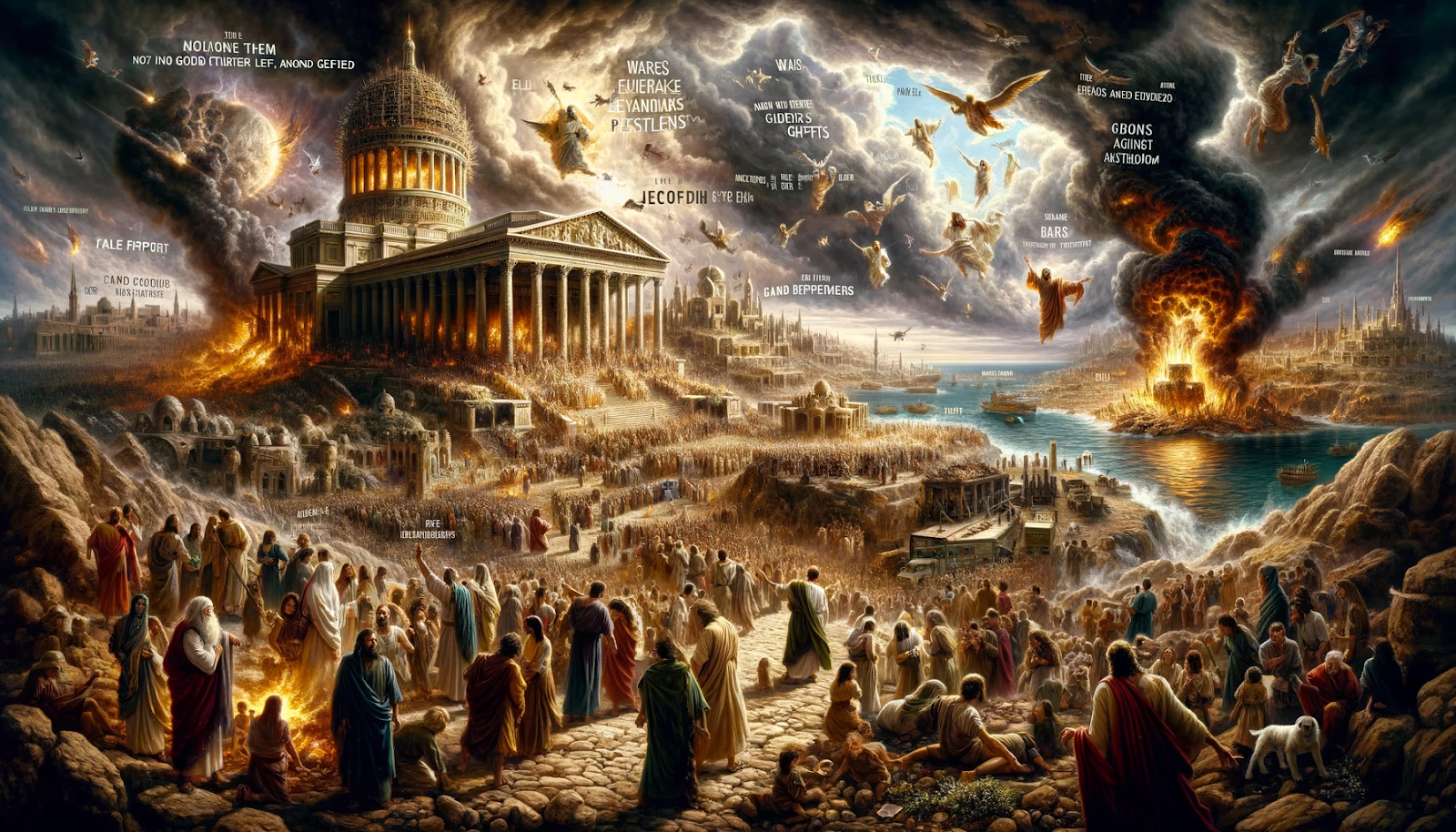
The image that vividly depicts the ‘Signs of the Times’ from the Bible has been created. It captures the dramatic and apocalyptic vision described in the verses, encompassing a range of prophetic and symbolic elements.
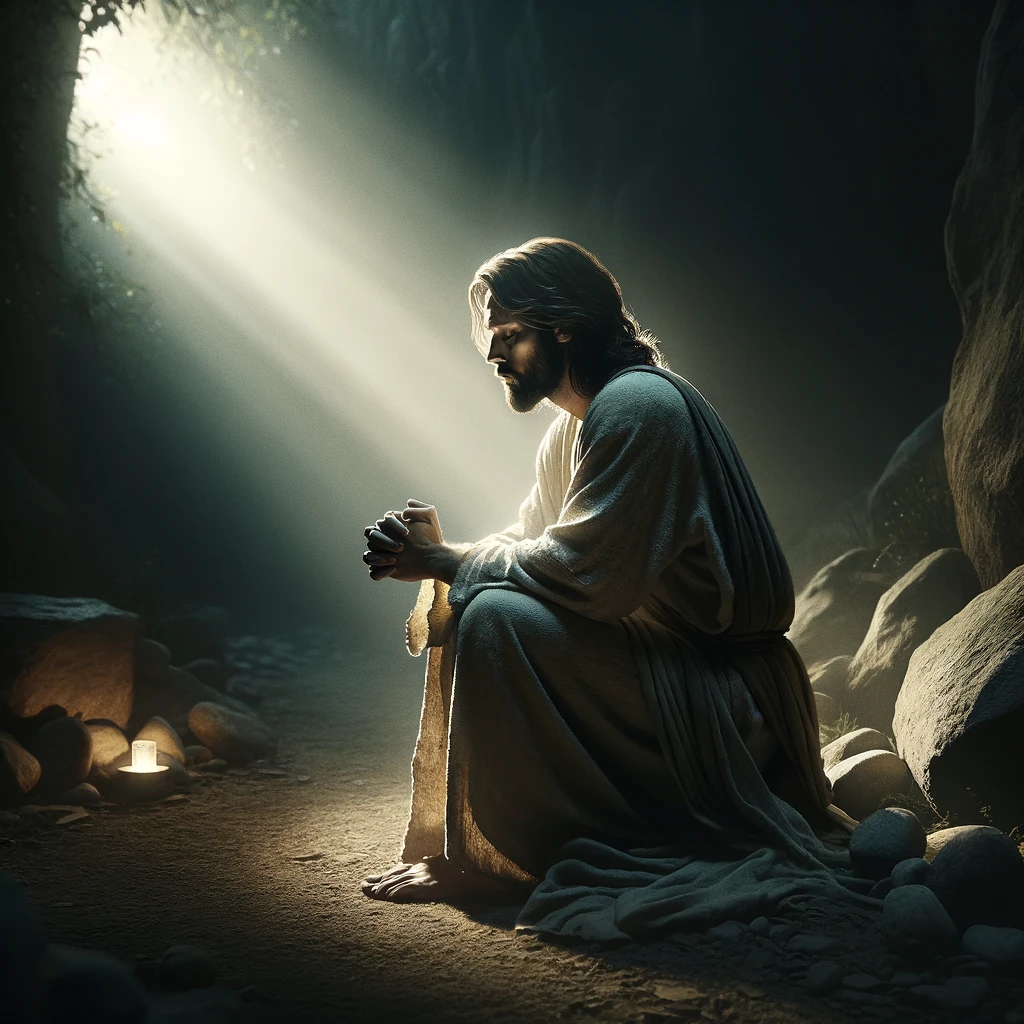

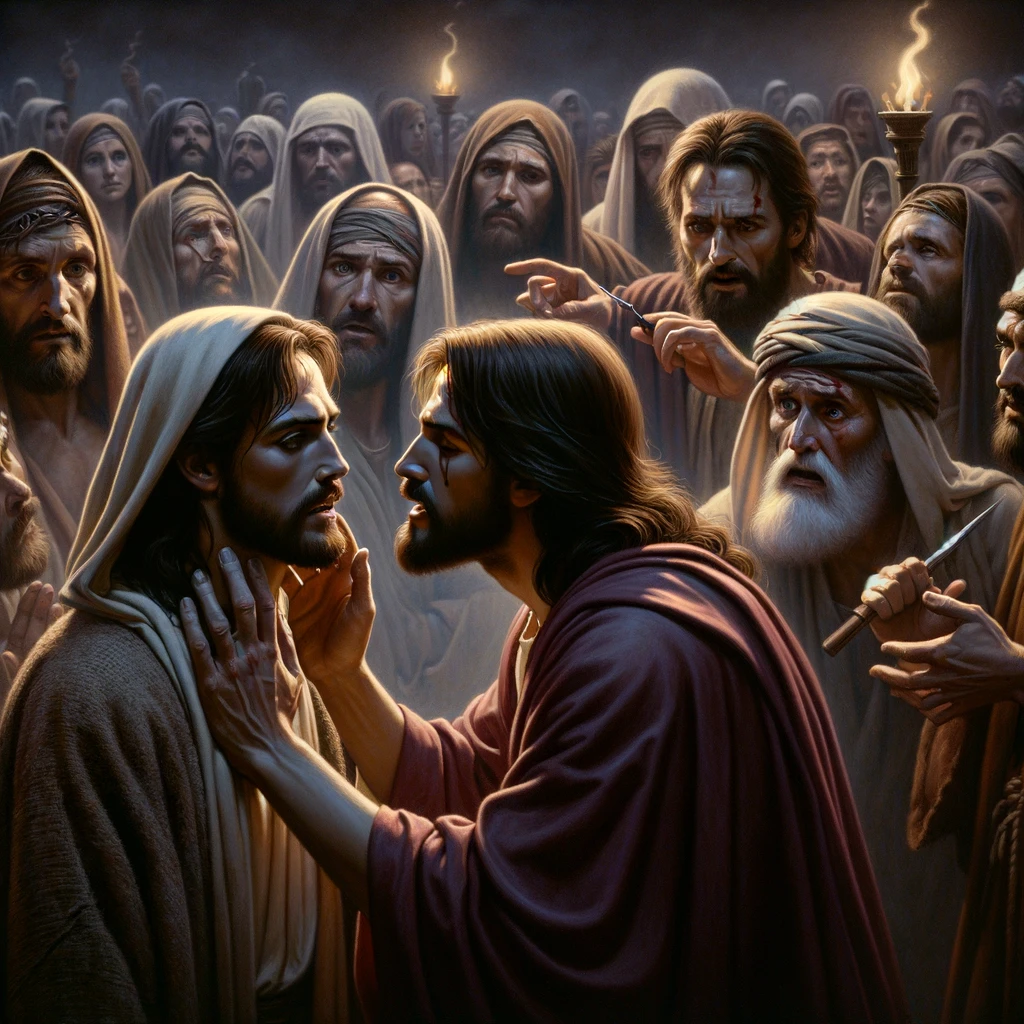
The image capturing the scene of Judas approaching Jesus to betray him with a kiss, along with the surrounding events, has been created.

The image illustrates the scene of Peter weeping bitterly.
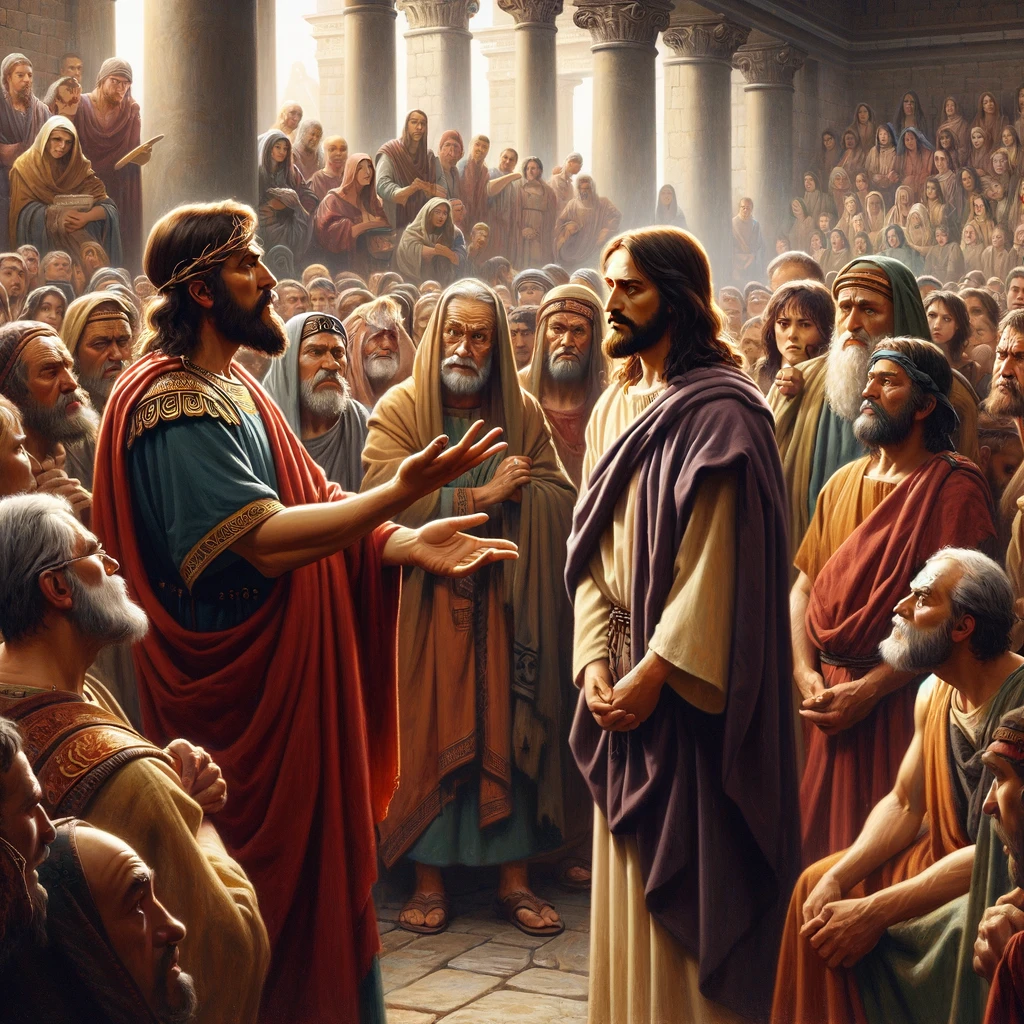
The image depicting the scene of Jesus standing before Pilate, surrounded by a multitude, has been created.
The image illustrating the scene of Jesus on the way to the cross, with Simon of Cyrene carrying the cross behind him and a crowd of people following, has been created.
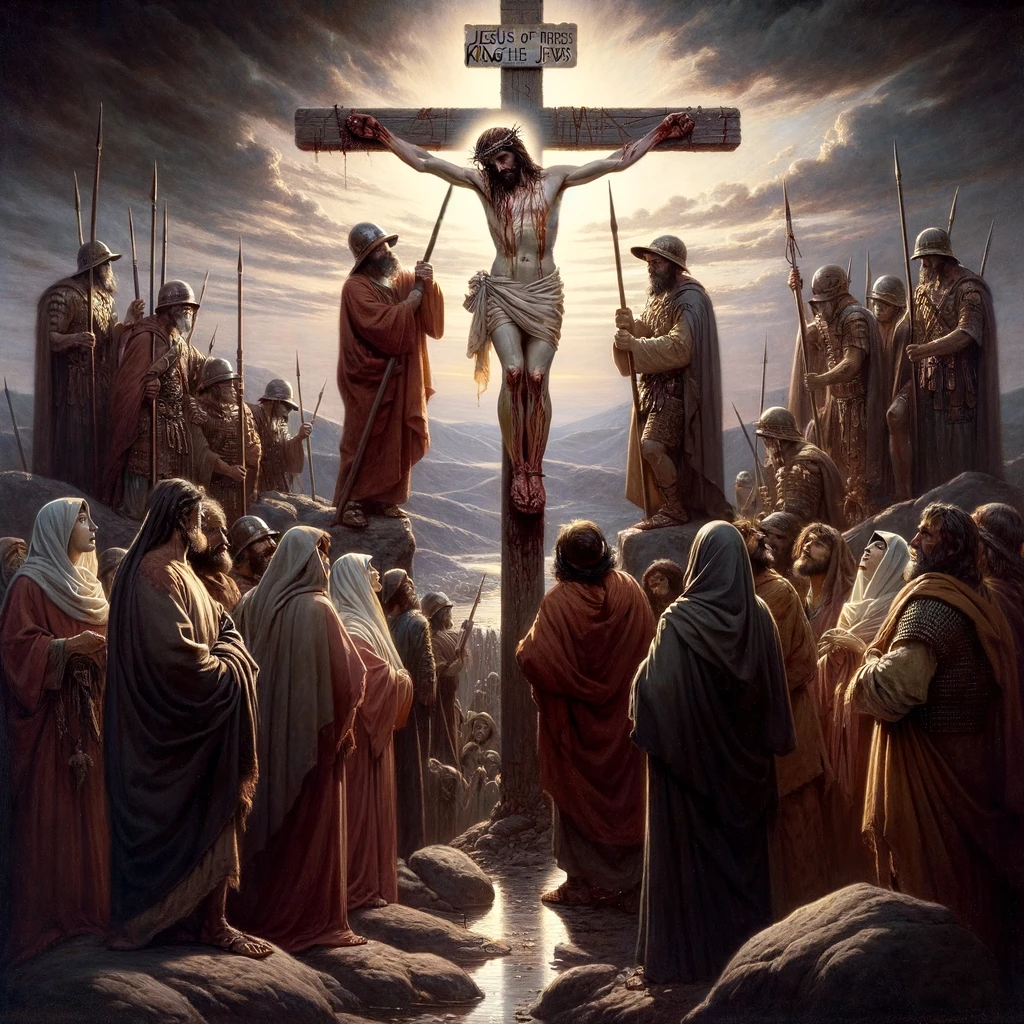
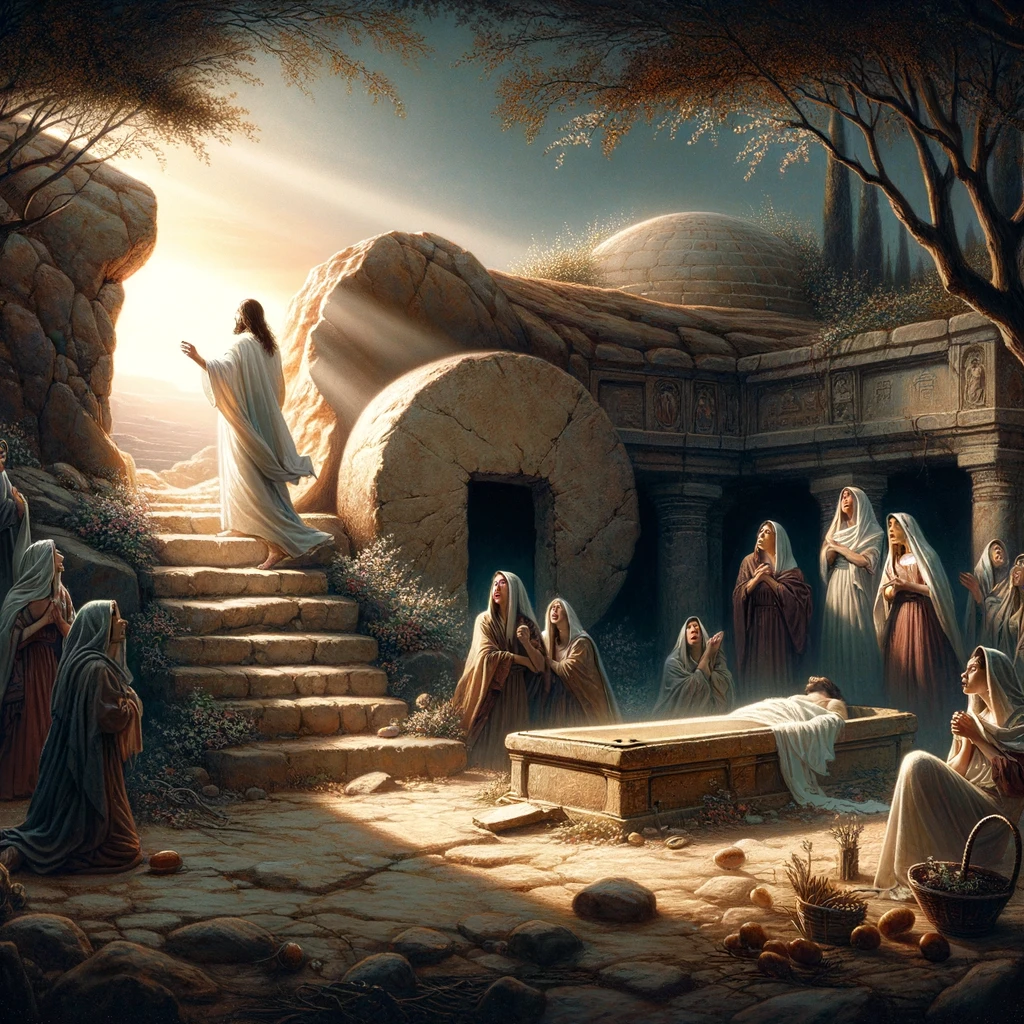
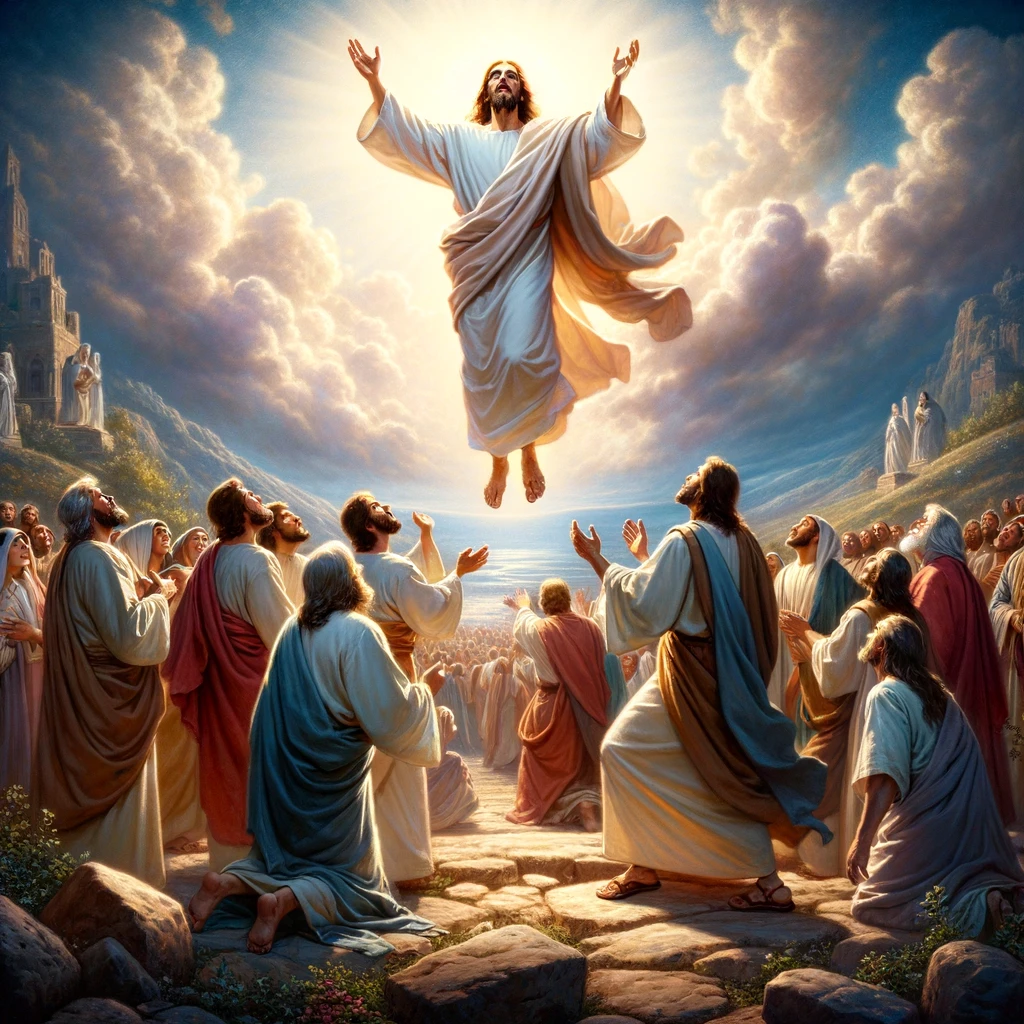
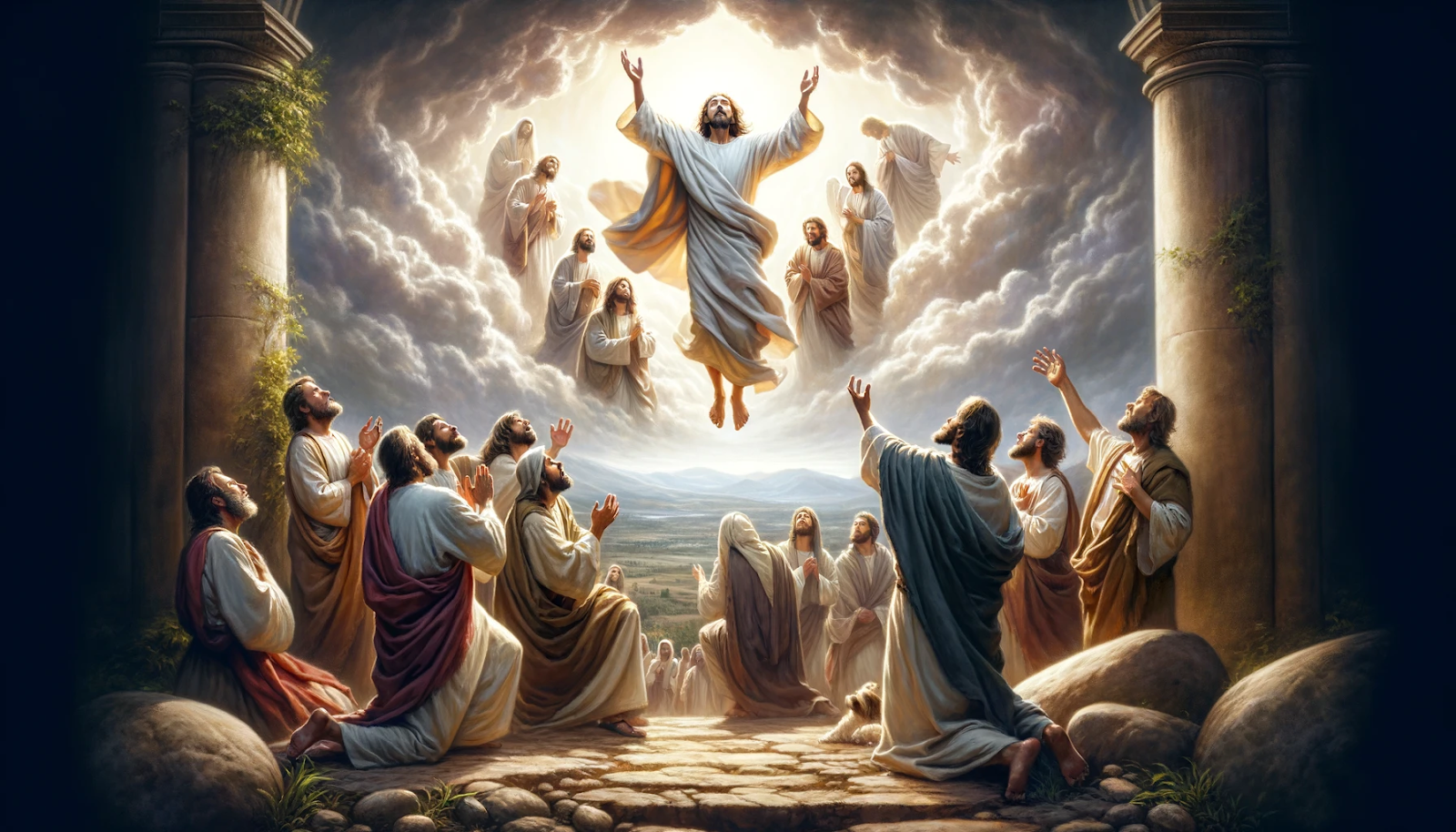
The image that realistically depicts ‘The Ascension’ from the Bible has been created. It captures the moment of Jesus’ ascension and the profound impact it had on his disciples, set in the landscape of Bethany.
 Modern Mosaic
Leave a comment